


Walter I.M. Hodge Pavilion
Gut rehabilitation improving the resilience of a rural affordable housing development to future storms.
-

Project Name
Walter I.M. Hodge Pavilion
-

Location
-

Units
248
-

Buildings
20 residential, 1 updated community center/management office
-

Project Role
MDG is the Developer
-

Project Status
Completed, December 2024
Project Highlights
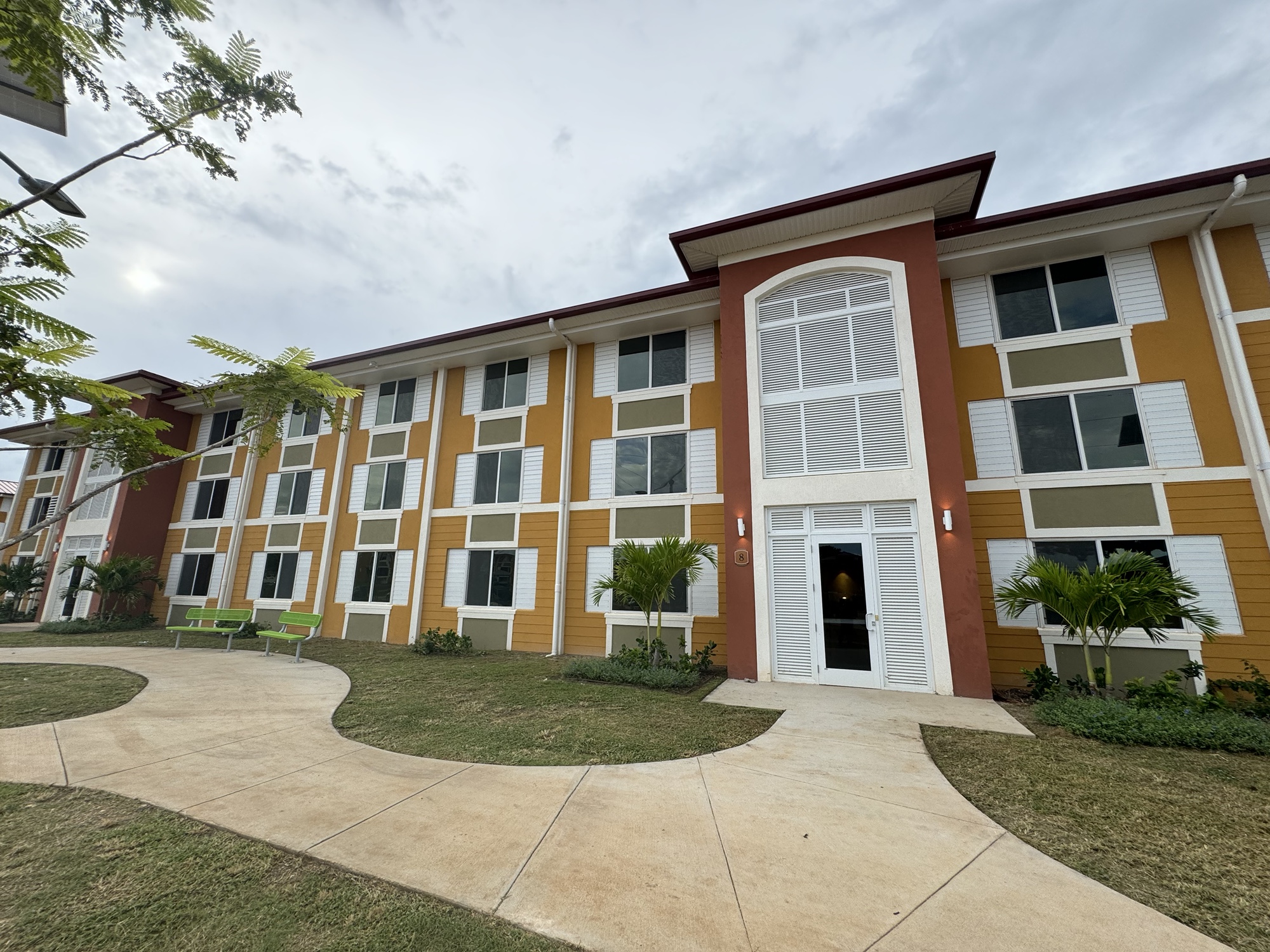
Building exterior at Walter I.M. Hodge Pavilion.
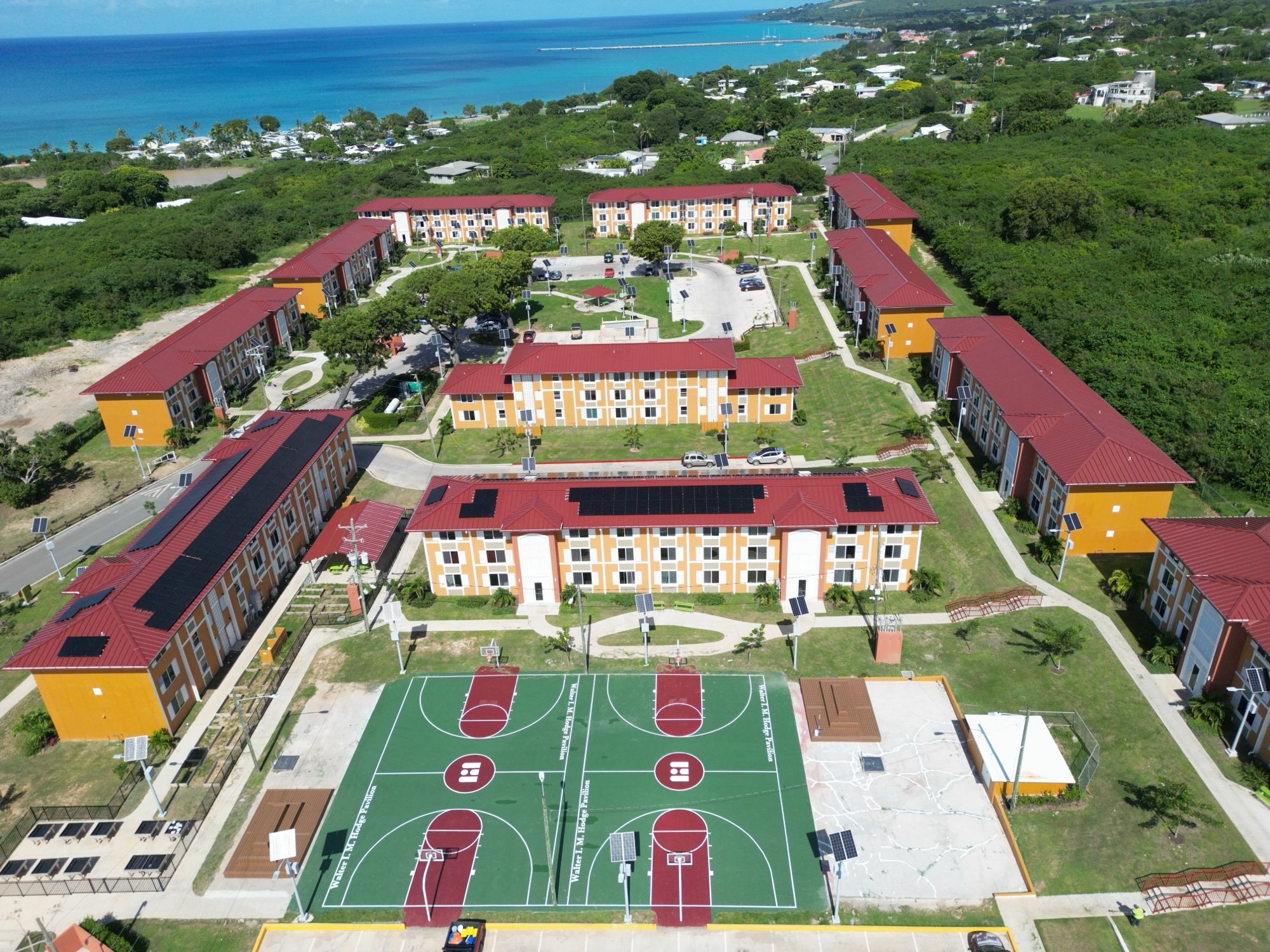
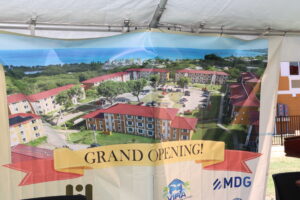
Aerial view at Walter I.M. Hodge Pavilion.
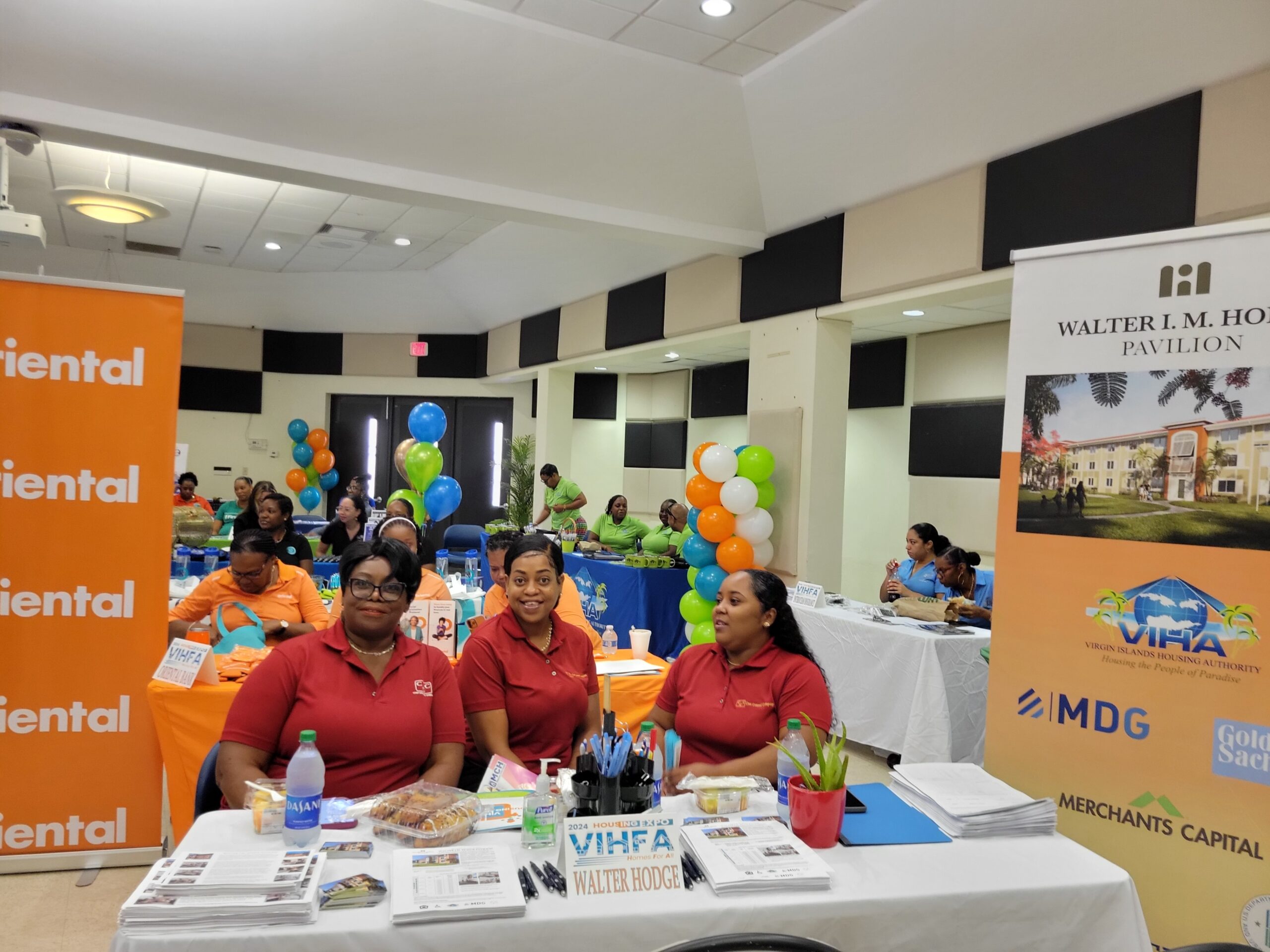
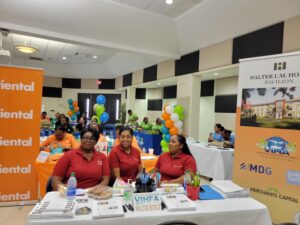
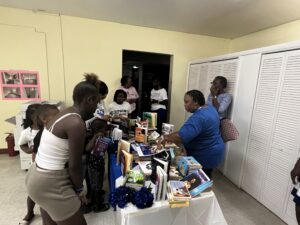
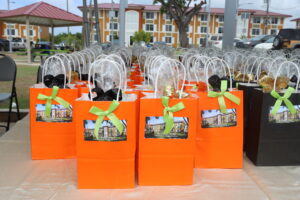
Virgin Islands Housing Authority book donation.
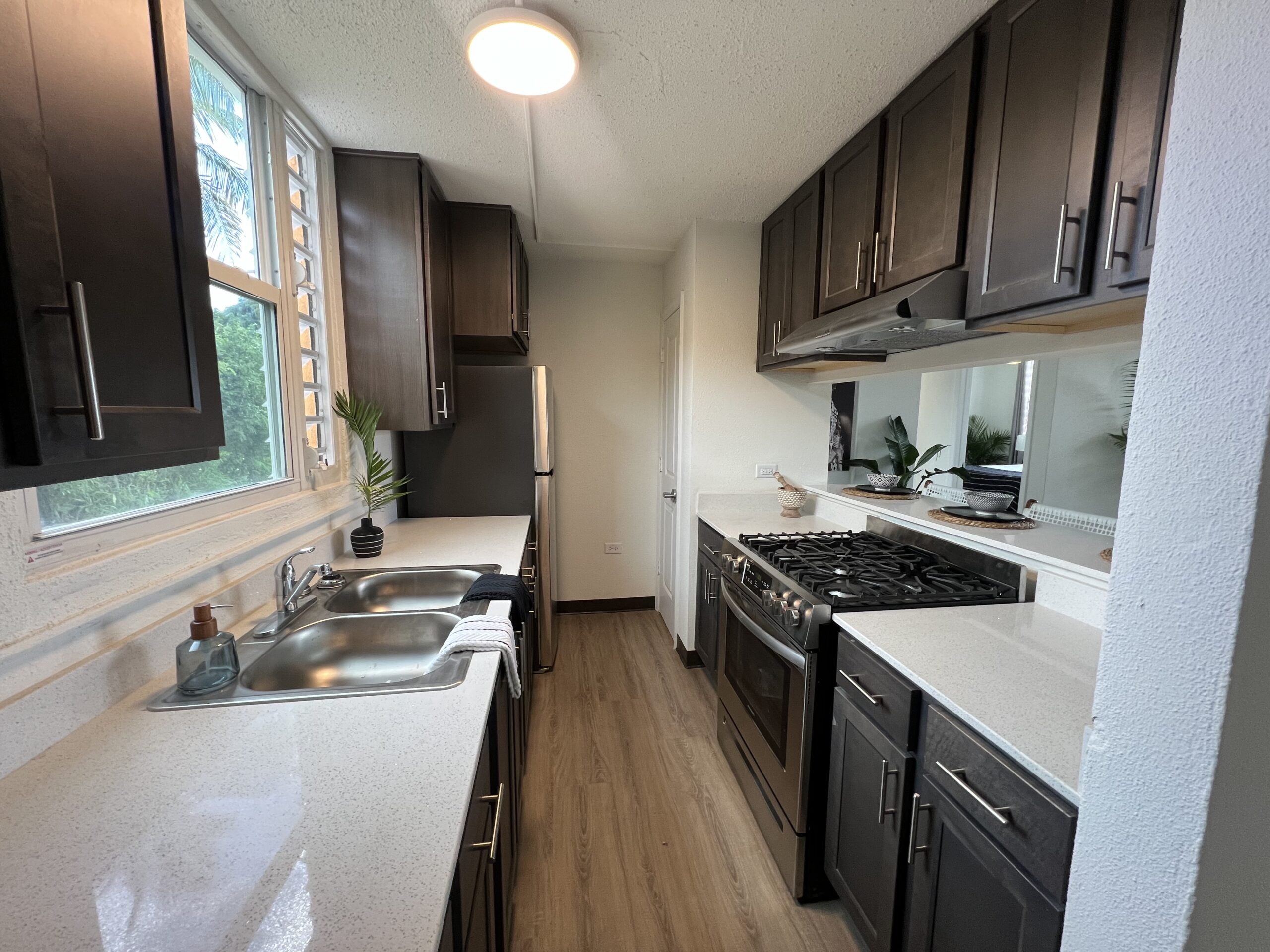
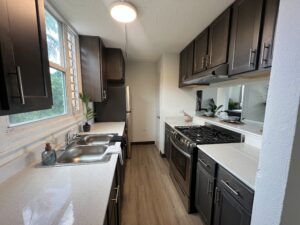
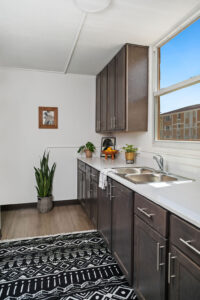
Updated kitchen at Walter I.M. Hodge Pavilion.
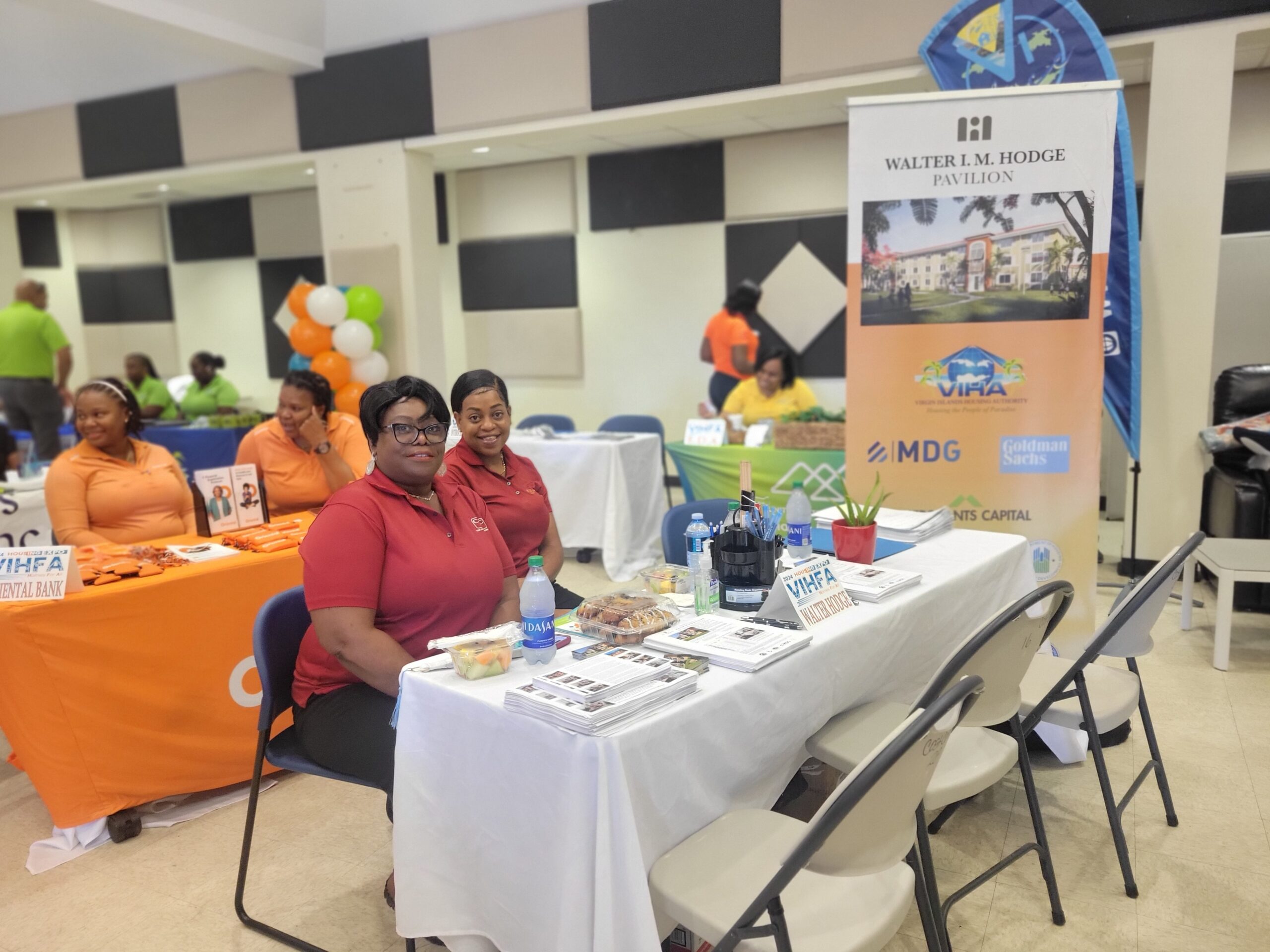
Virgin Islands Housing Authority book donation.
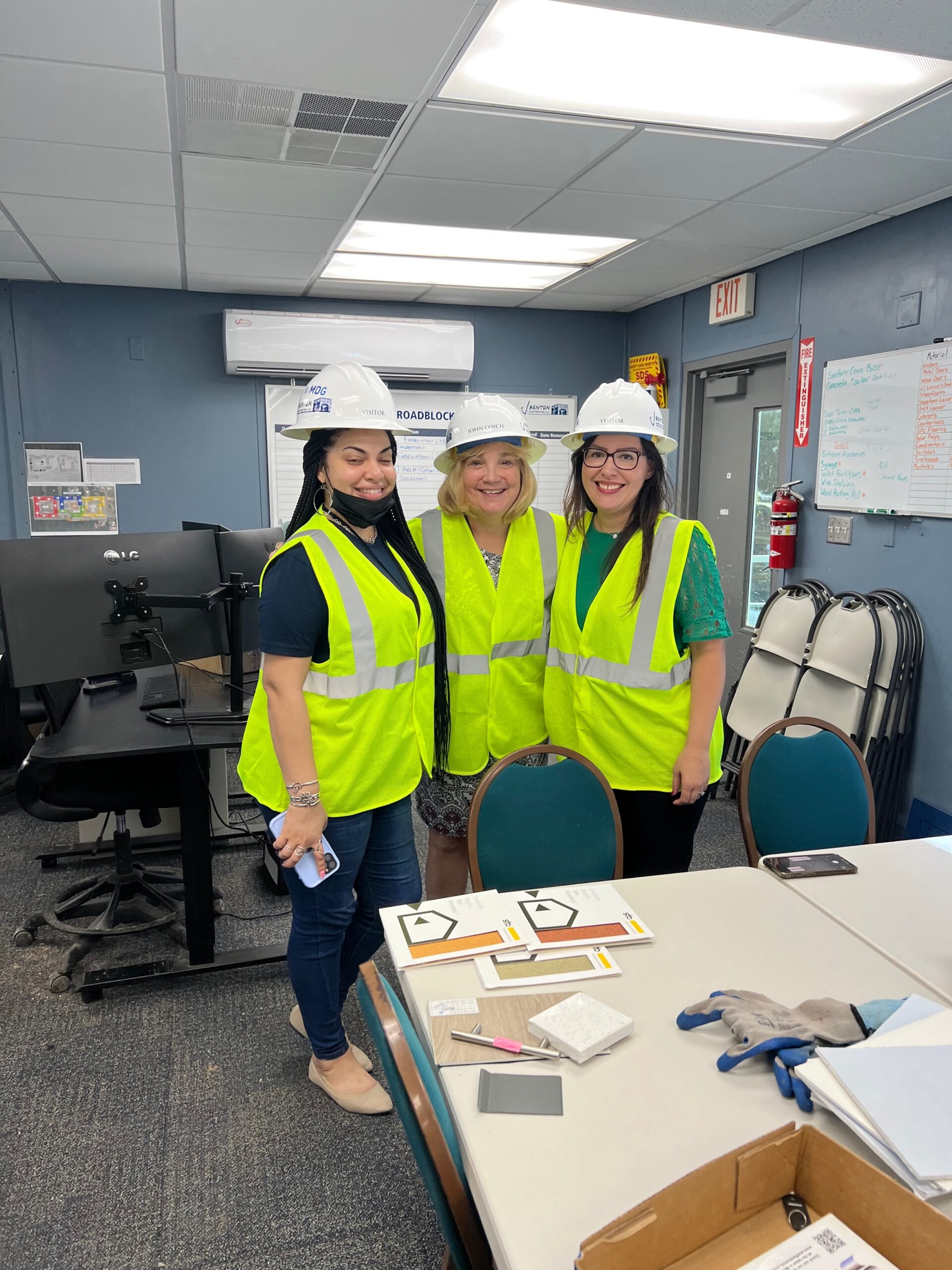
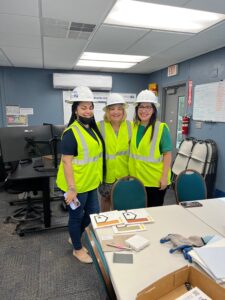
Construction team.
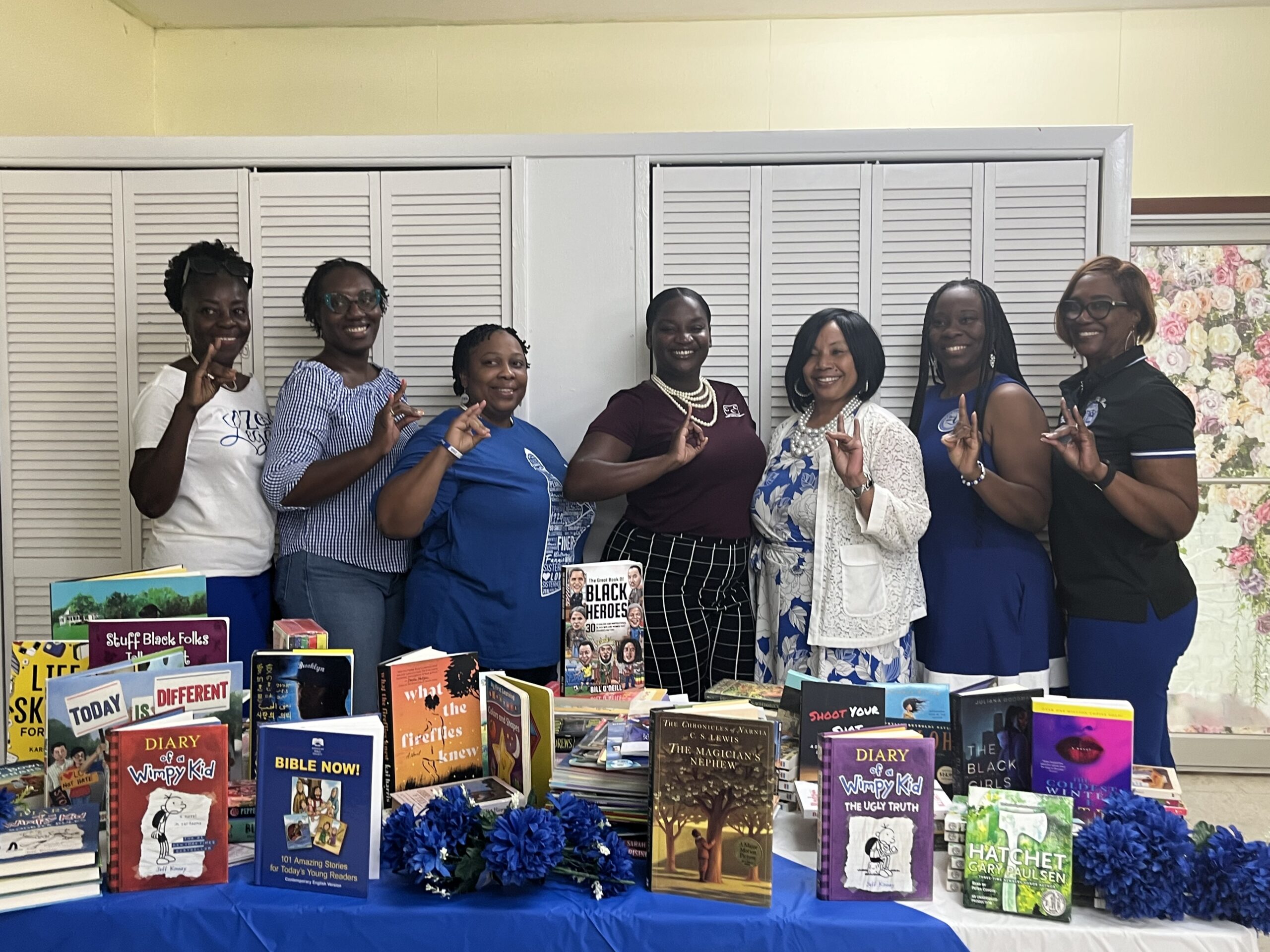
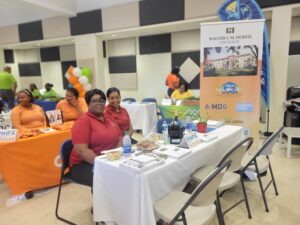
Virgin Islands Housing Authority book donation.
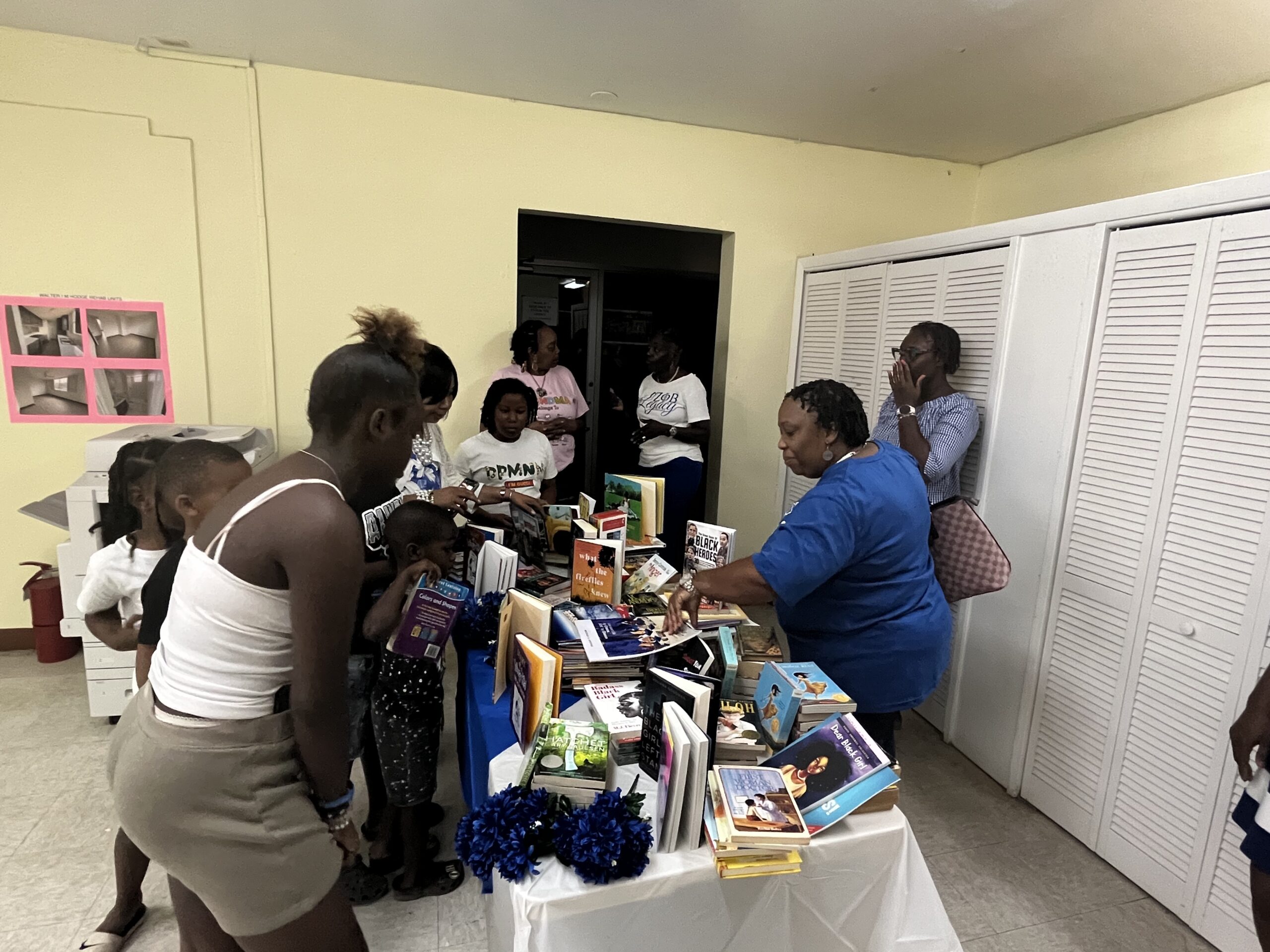
Virgin Islands Housing Authority book donation.
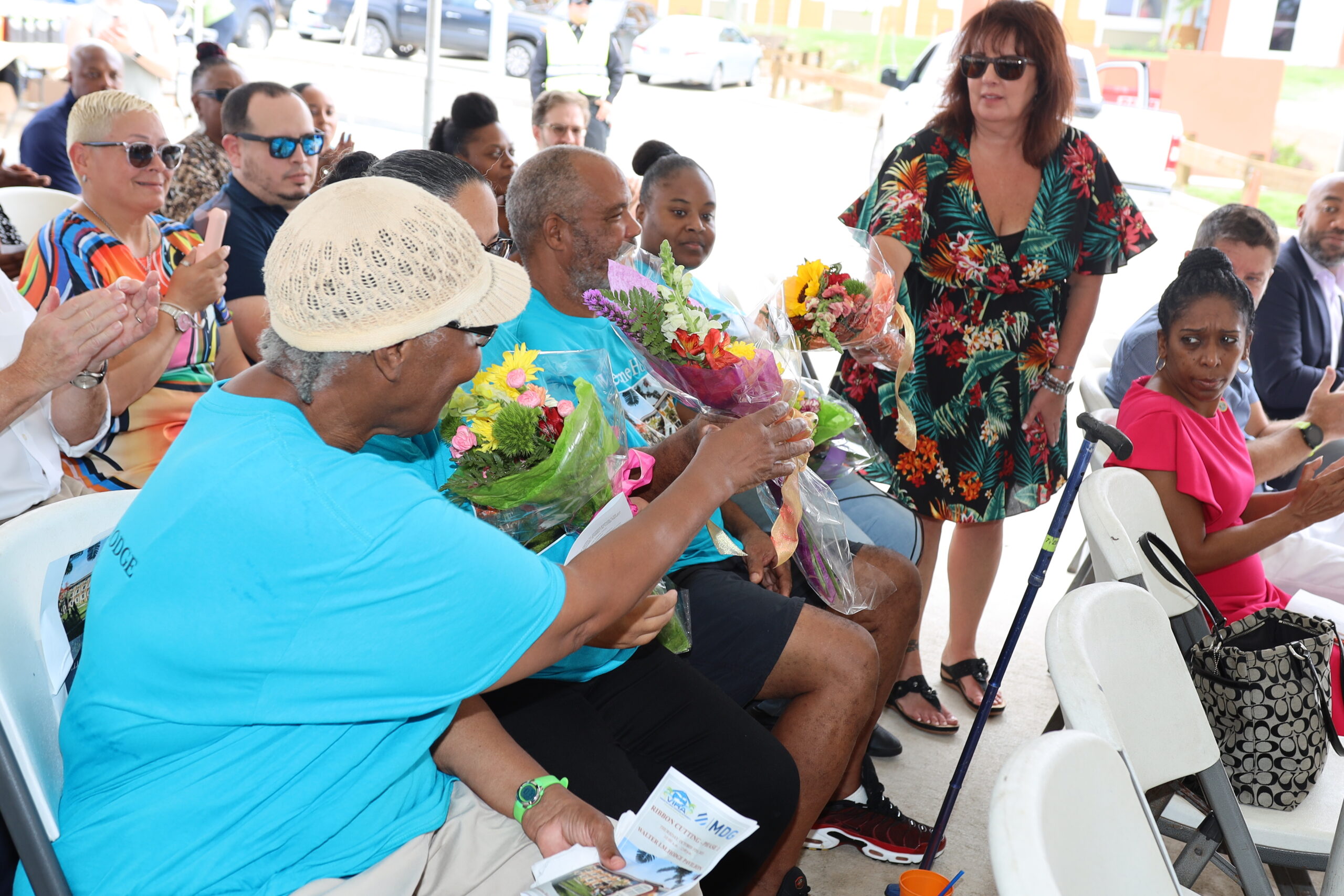
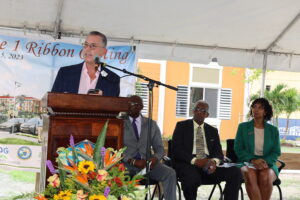
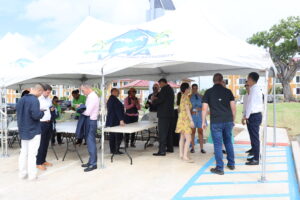
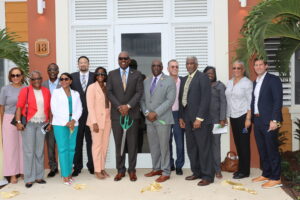
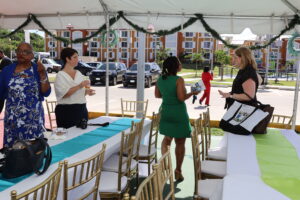
Ribbon Cutting Ceremony for Walter I.M. Hodge Pavilion.
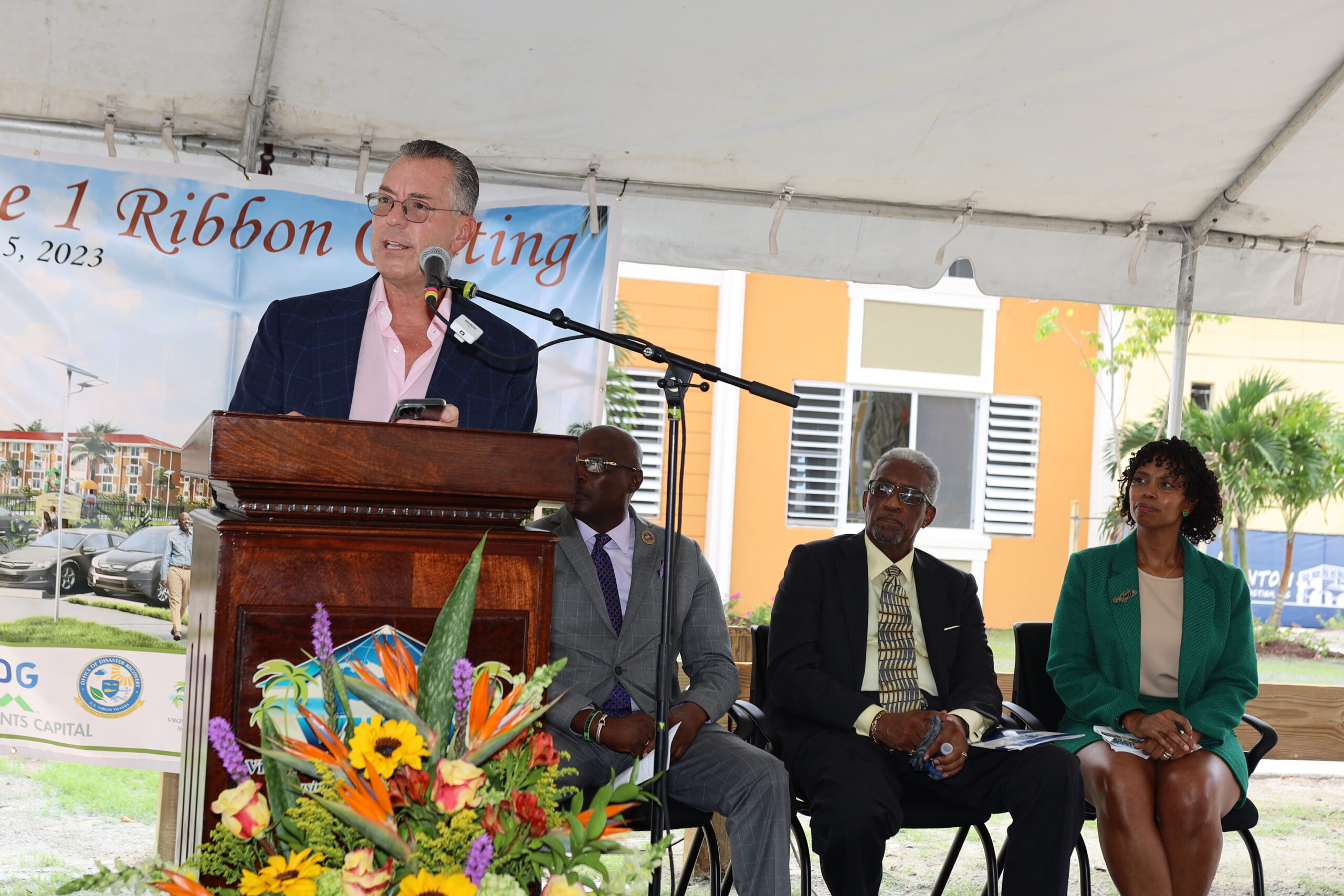
Ribbon Cutting Ceremony for Walter I.M. Hodge Pavilion.
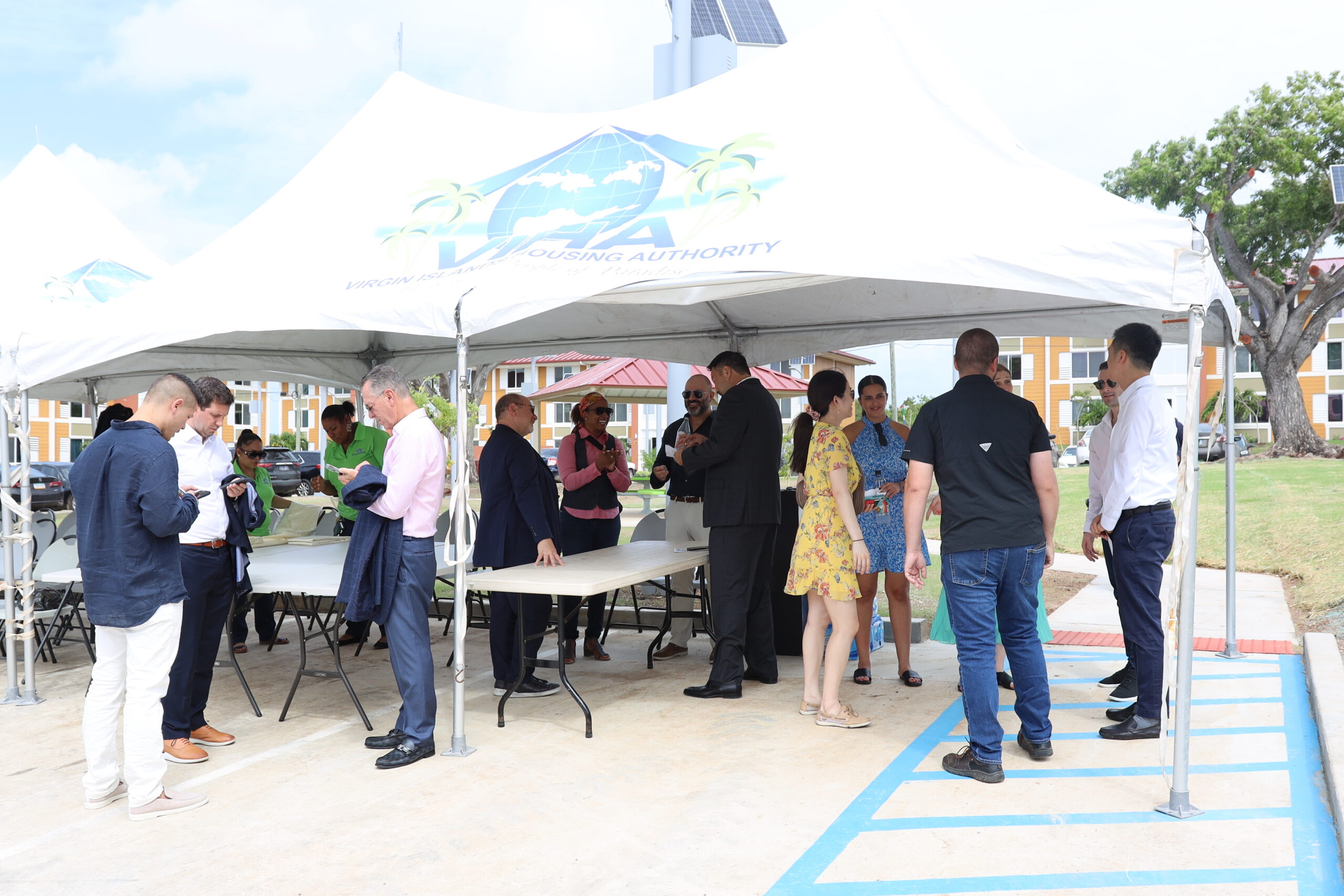
Ribbon Cutting Ceremony for Walter I.M. Hodge Pavilion.
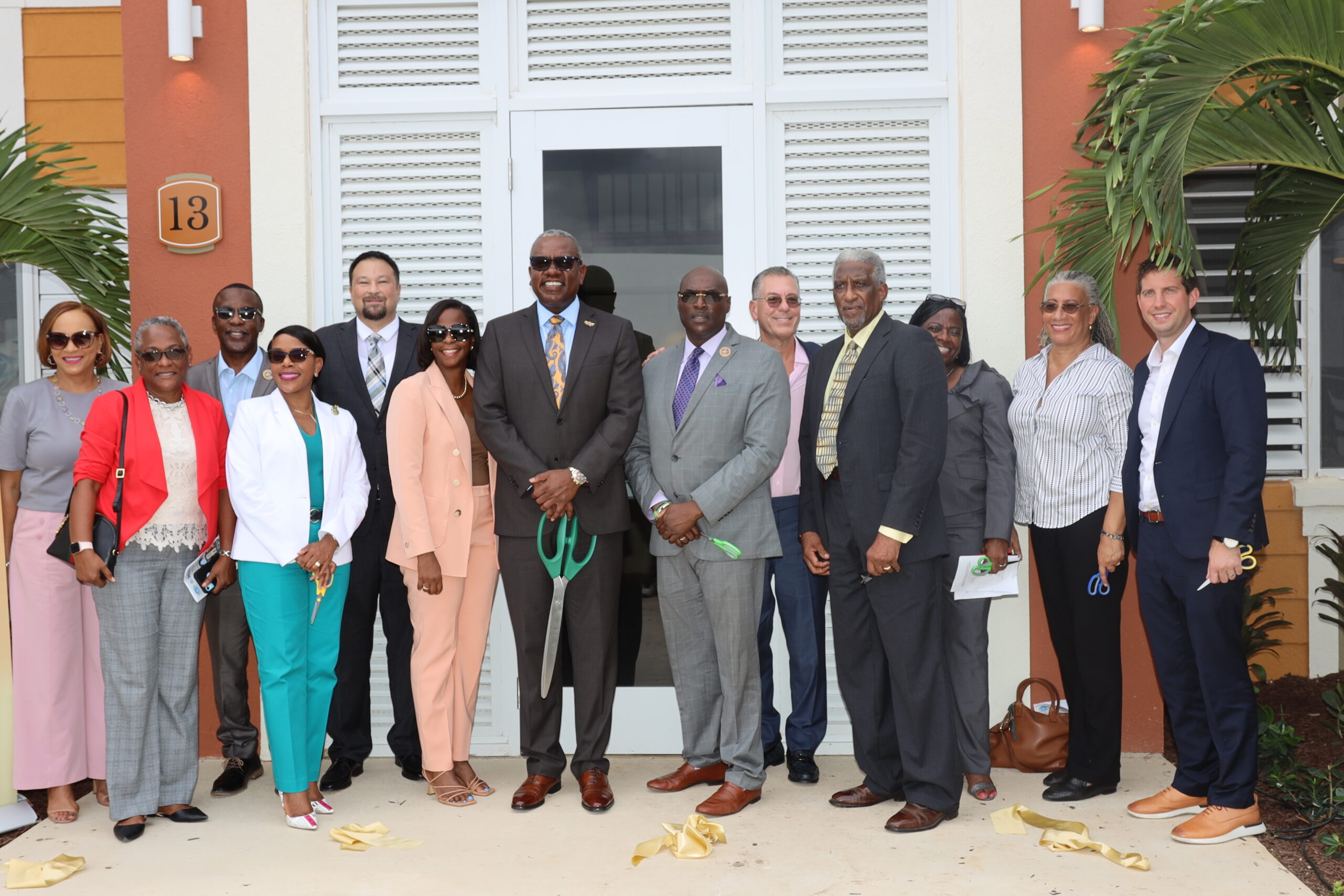
Ribbon Cutting Ceremony for Walter I.M. Hodge Pavilion.
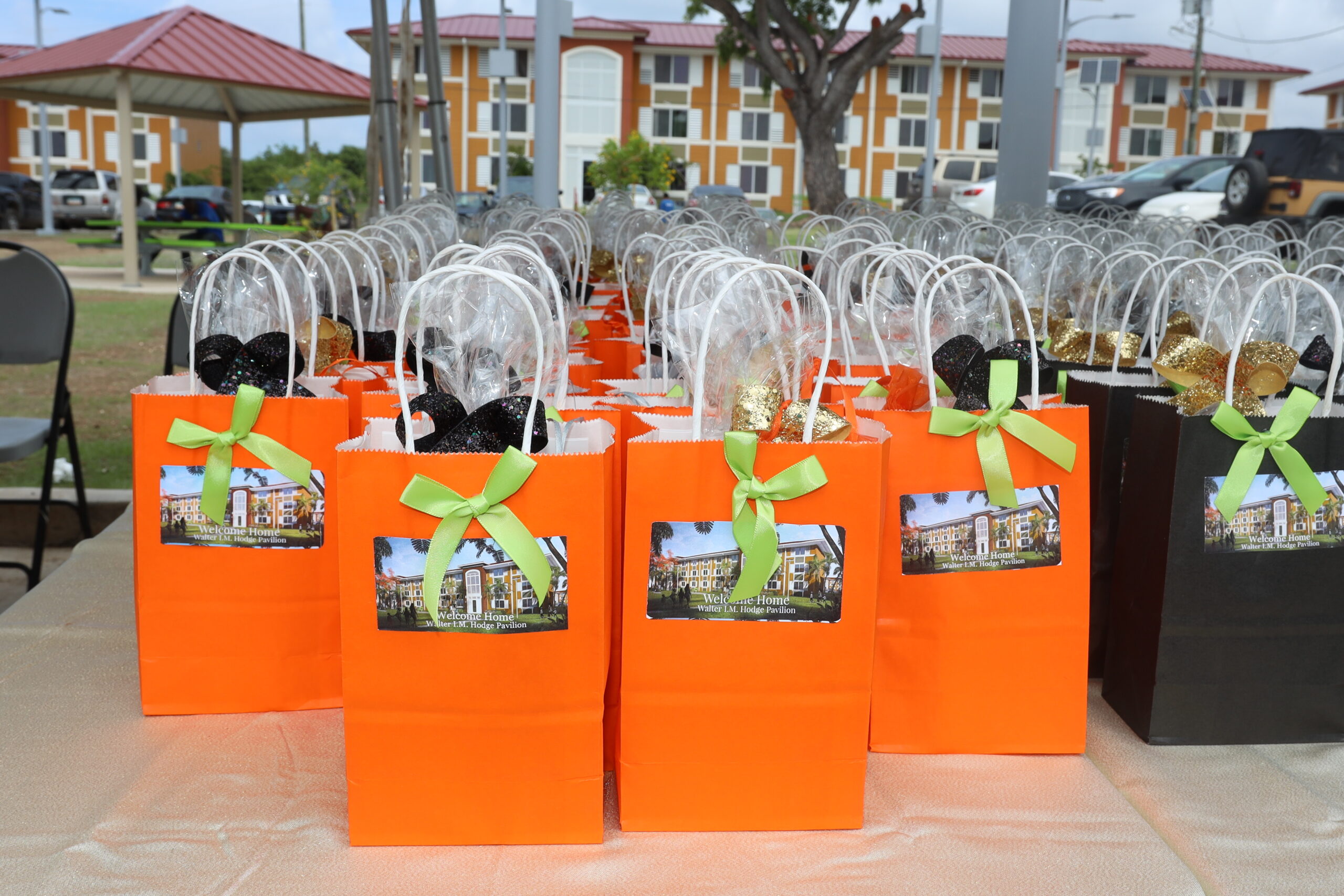
Ribbon Cutting Ceremony for Walter I.M. Hodge Pavilion.
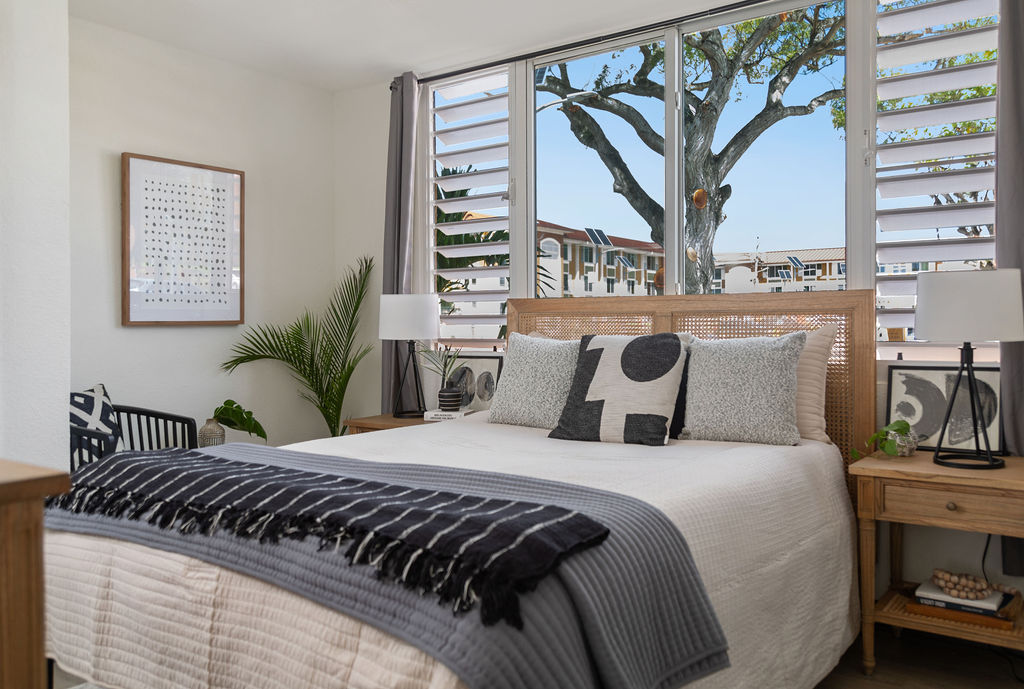
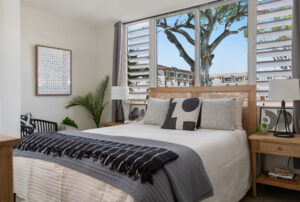
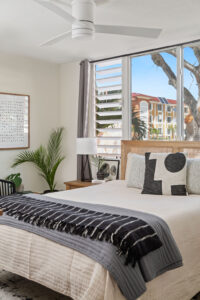
Bedroom in Walter I.M. Hodge model unit.
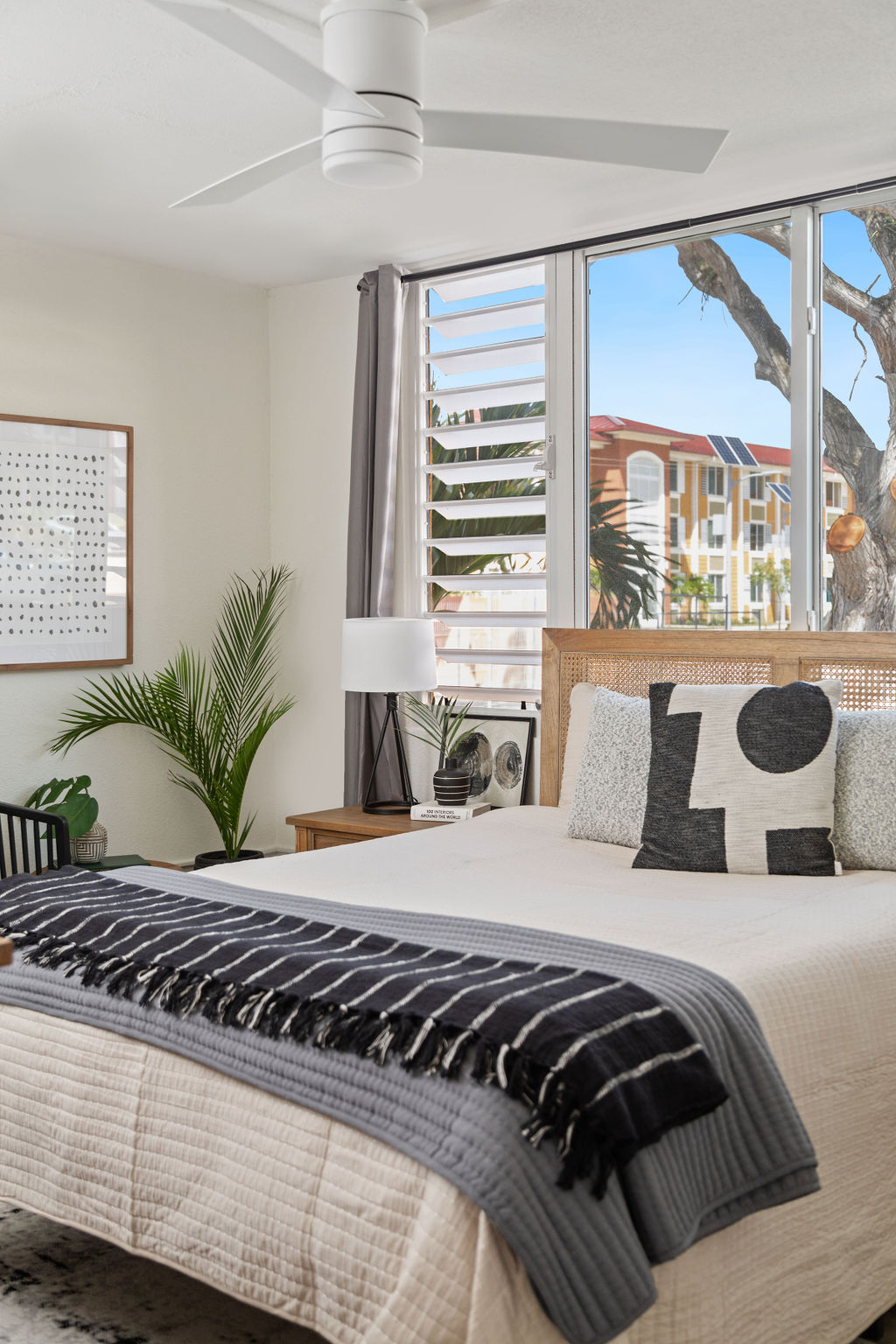
Bedroom in Walter I.M. Hodge model unit.
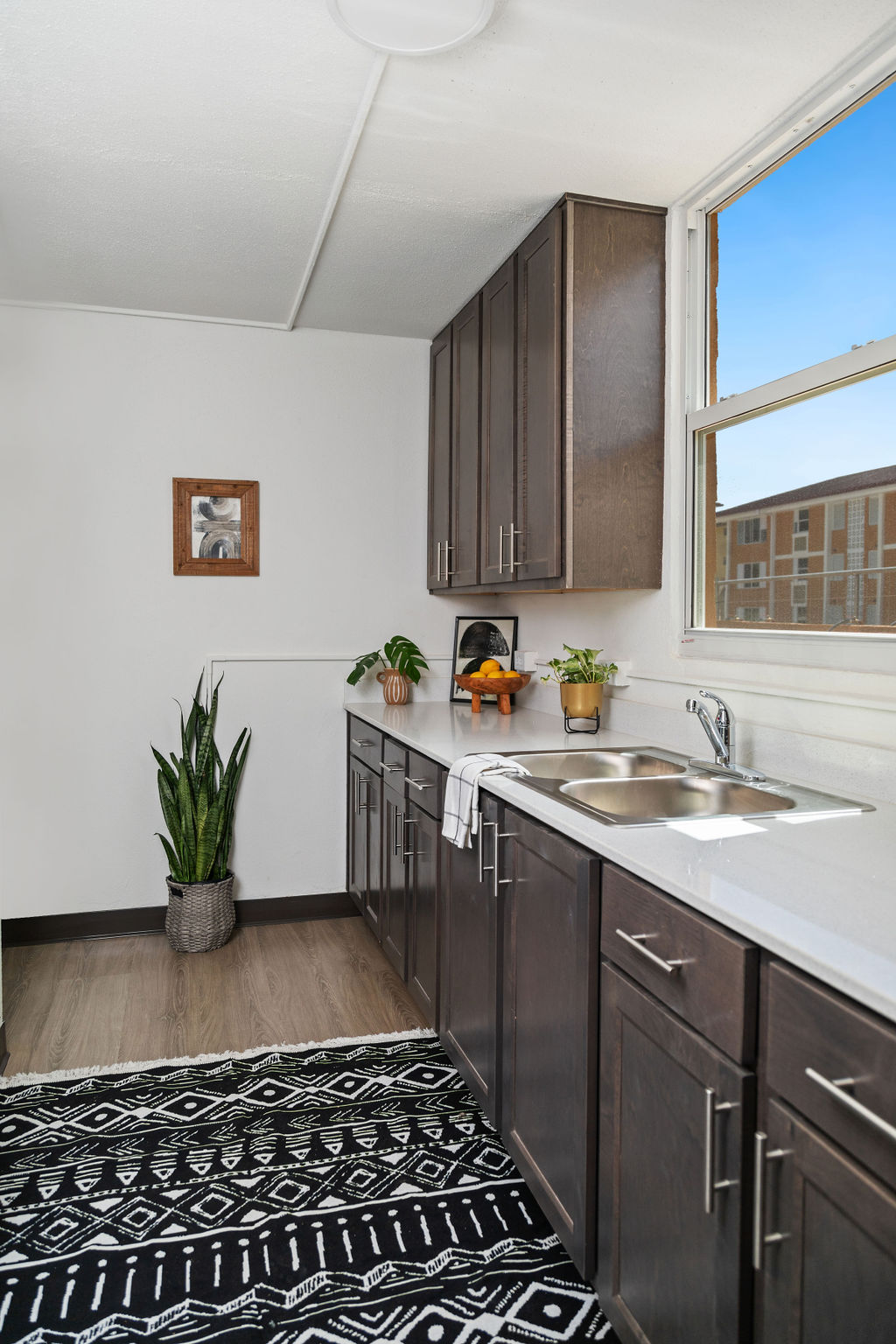
Kitchen in Walter I.M. Hodge model unit.
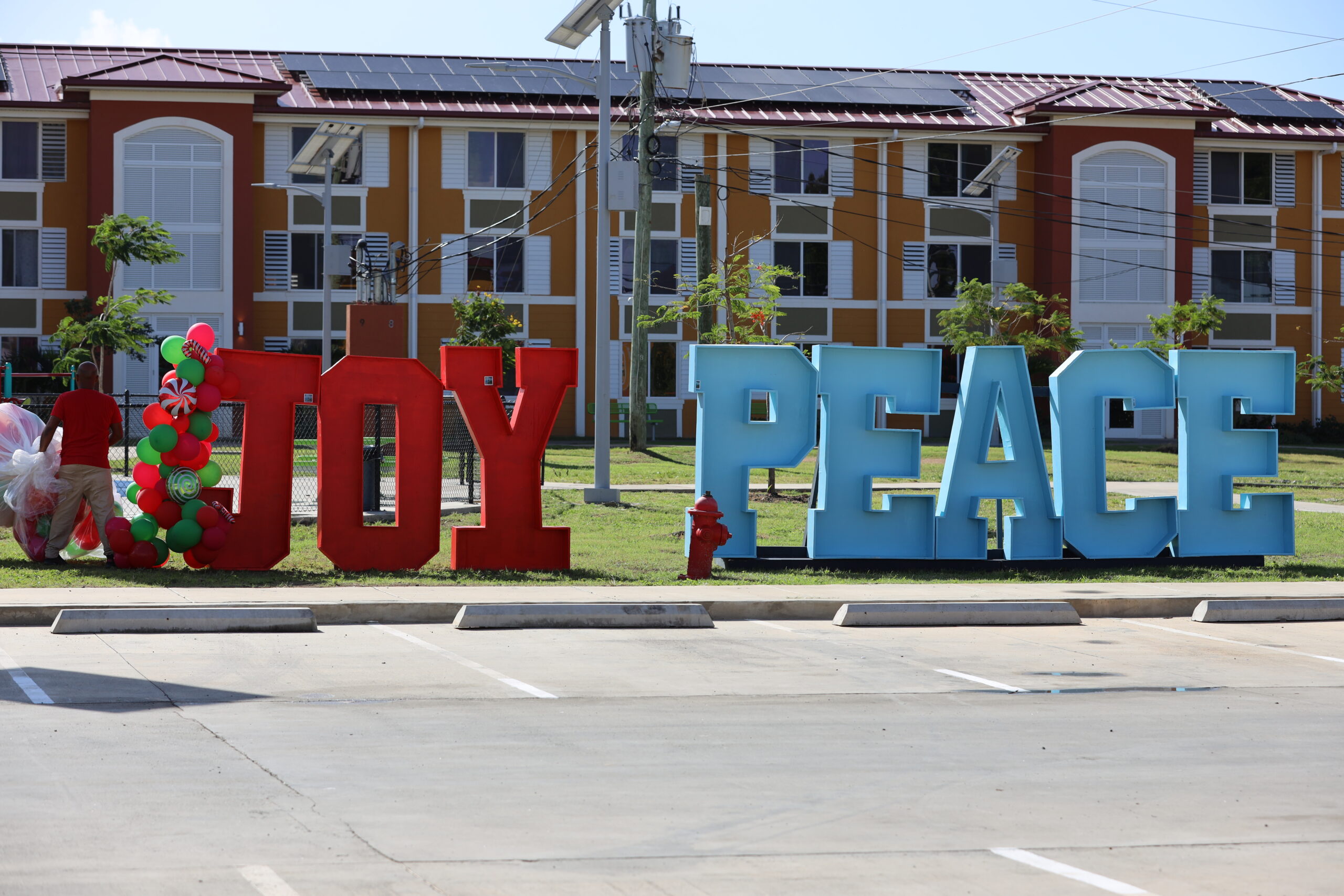
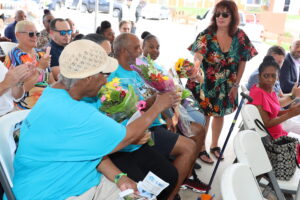
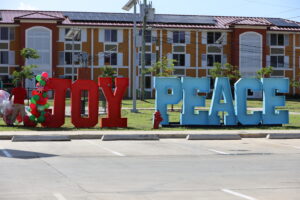
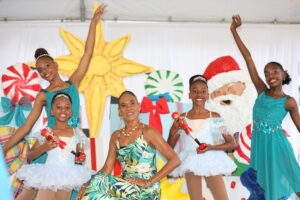
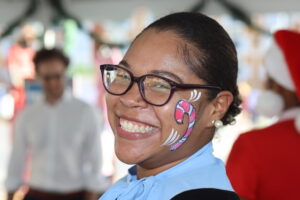
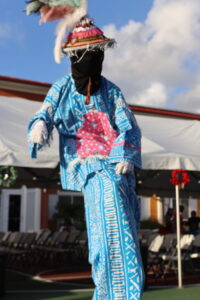
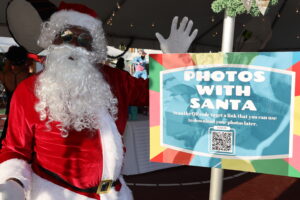
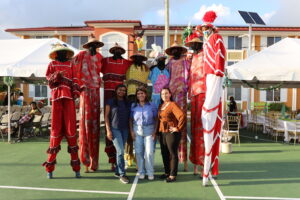
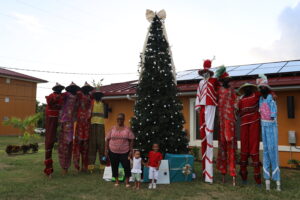
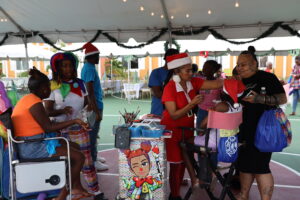
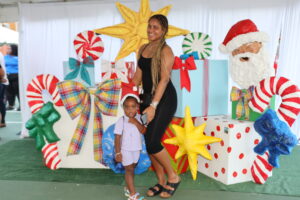
2025 holiday celebration for residents.
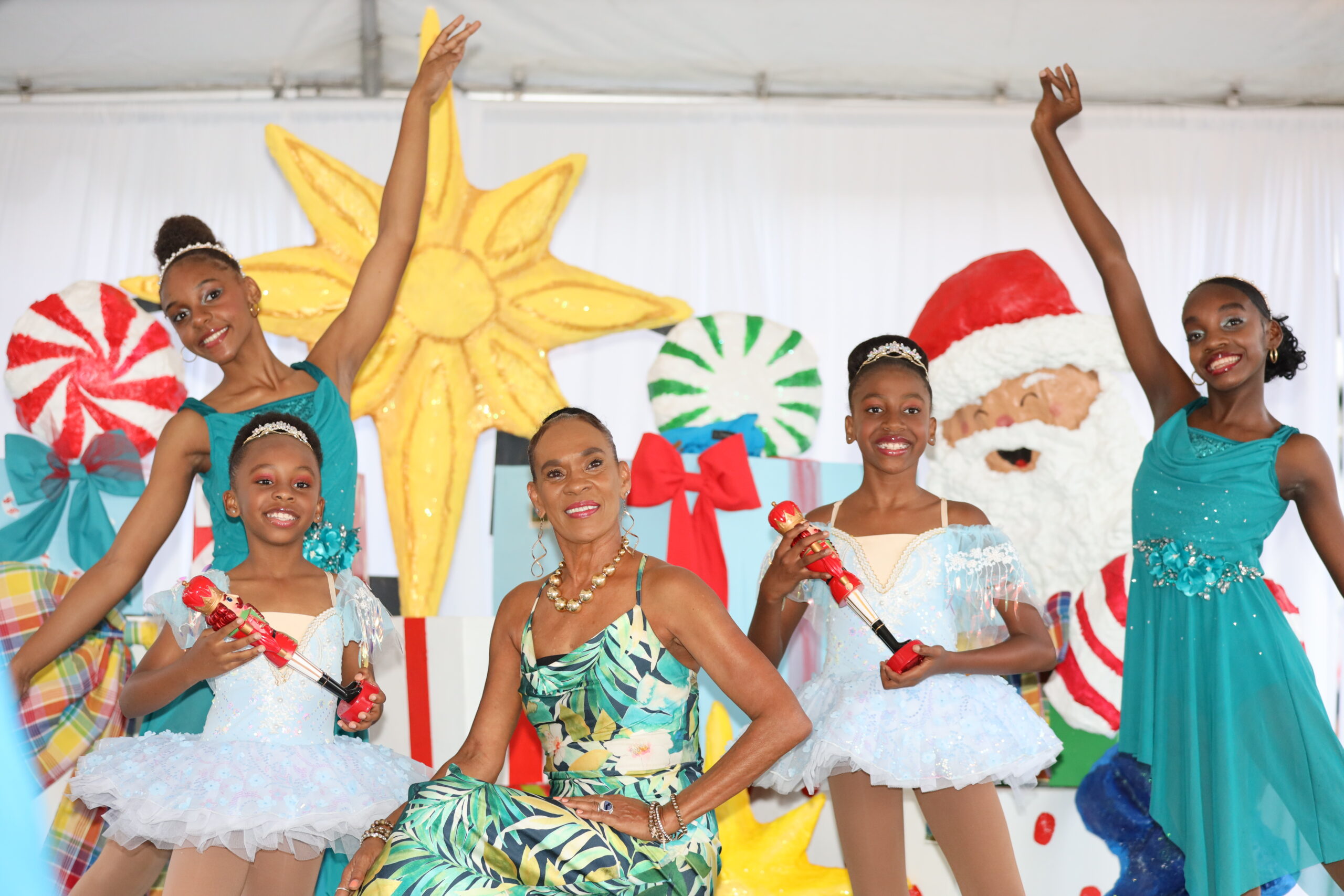
2025 holiday celebration for residents.
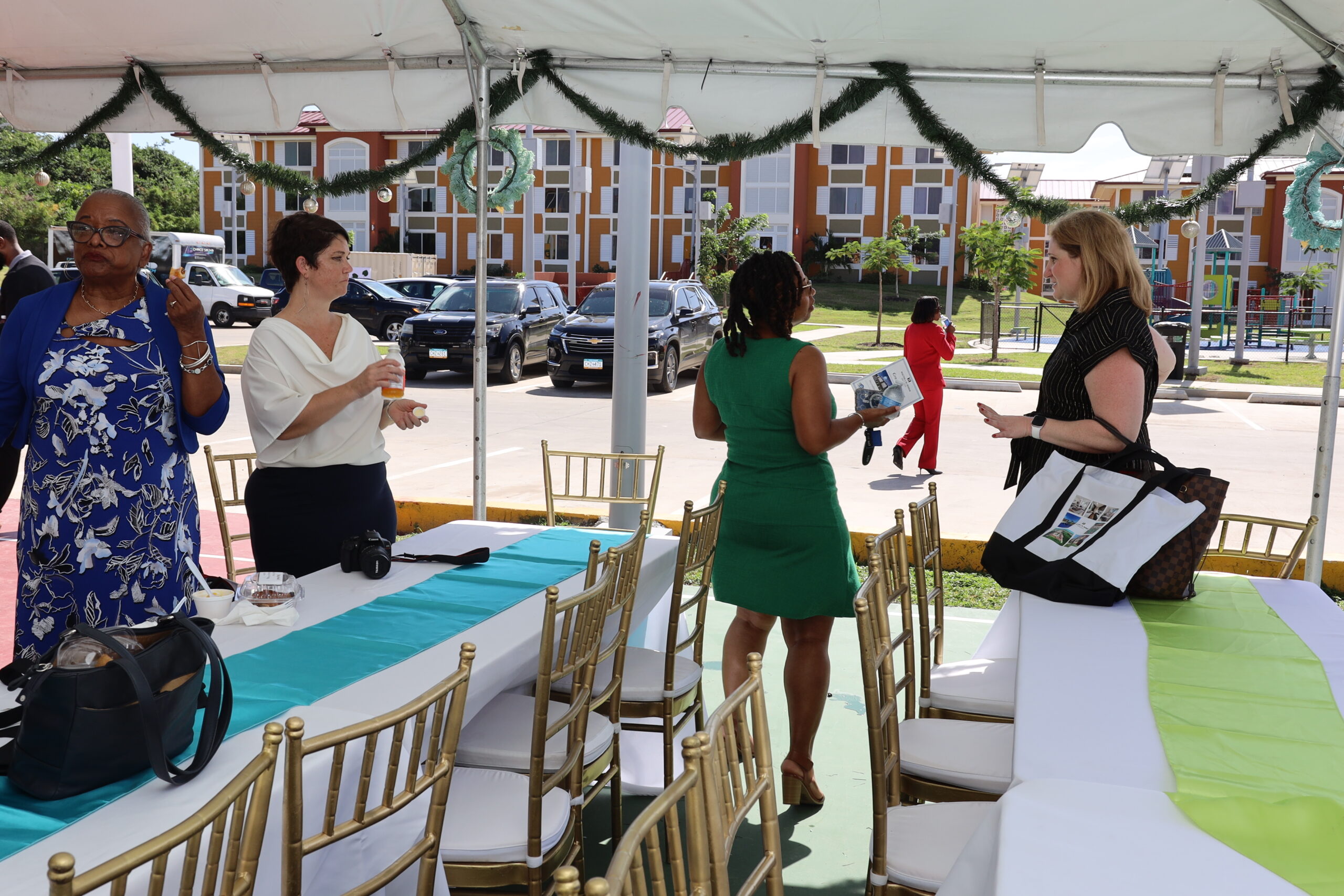
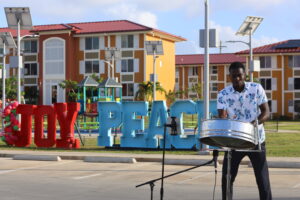
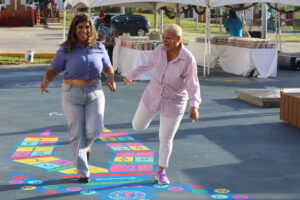
Grand Opening Ceremony for Walter I.M. Hodge Pavilion.
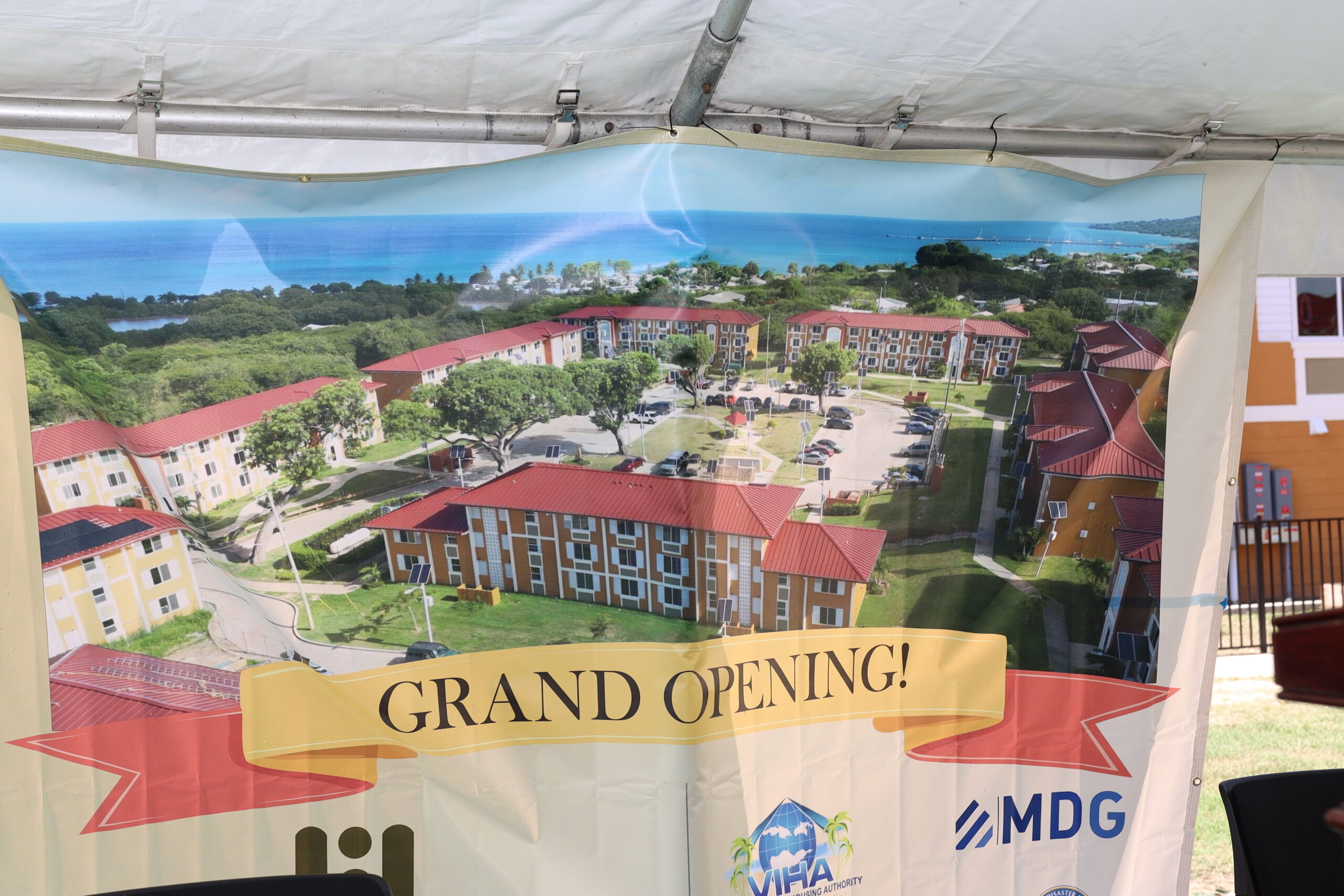
Grand Opening Ceremony for Walter I.M. Hodge Pavilion.

2025 holiday celebration for residents.
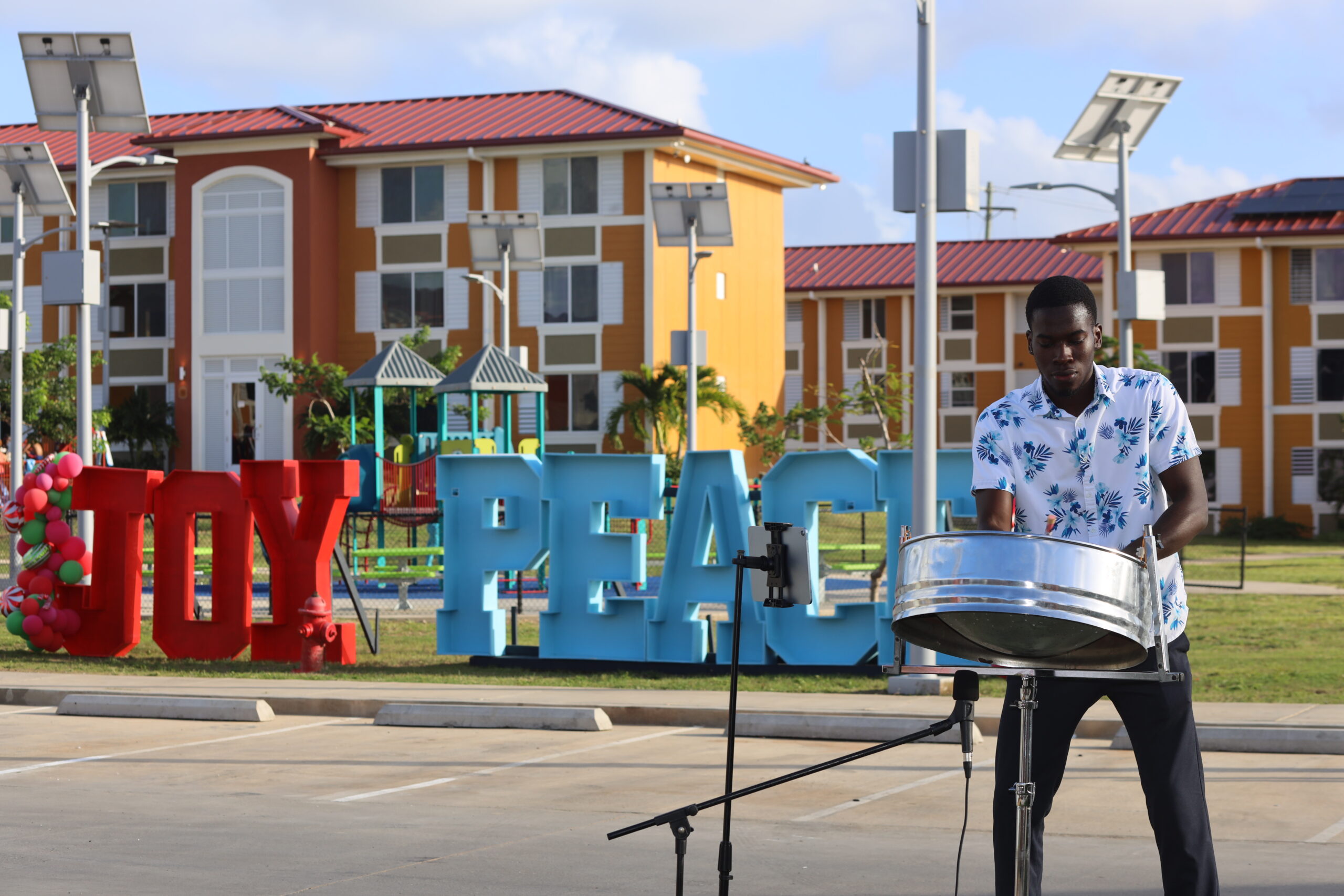
2025 holiday celebration for residents.
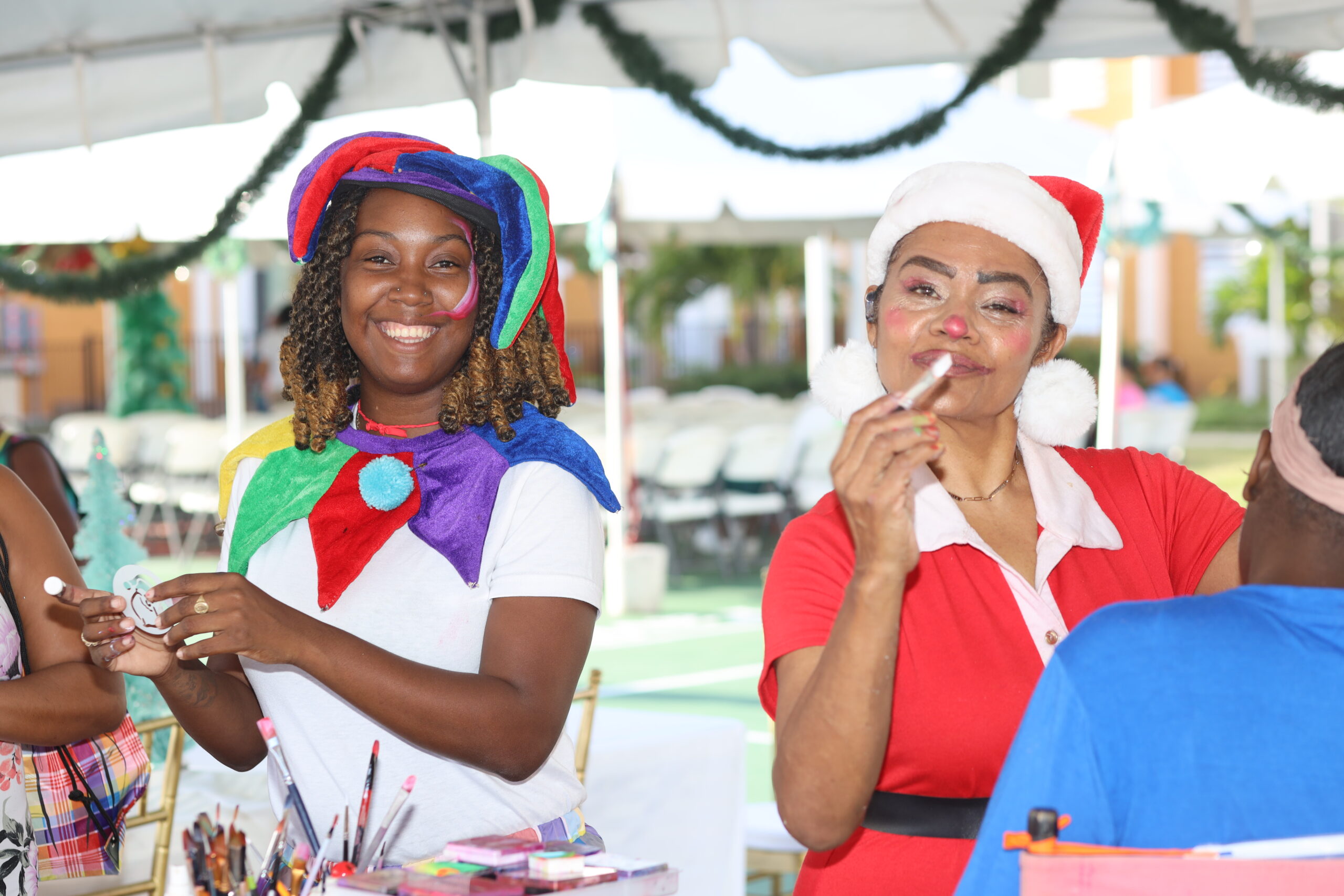
2025 holiday celebration for residents.
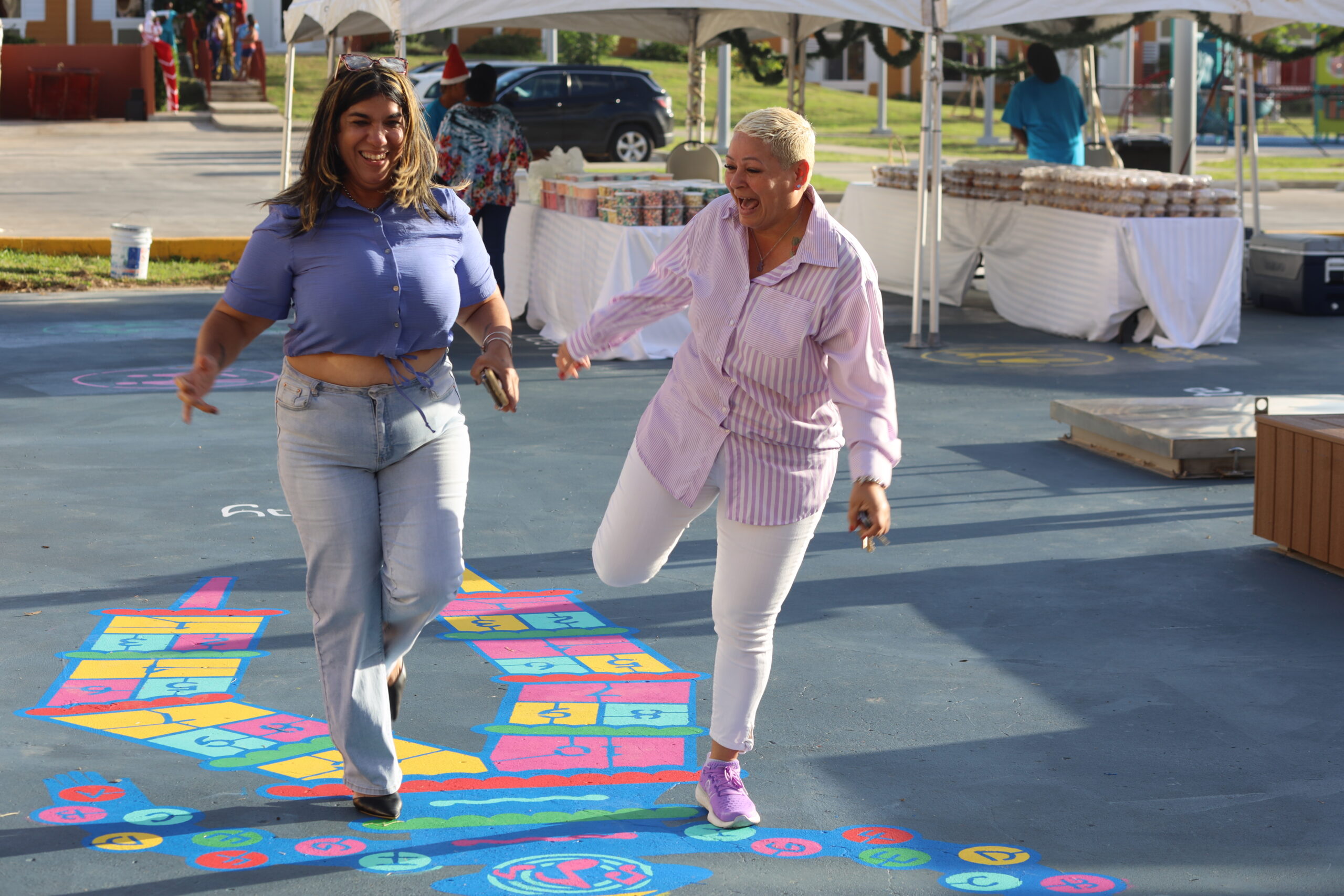
2025 holiday celebration for residents.
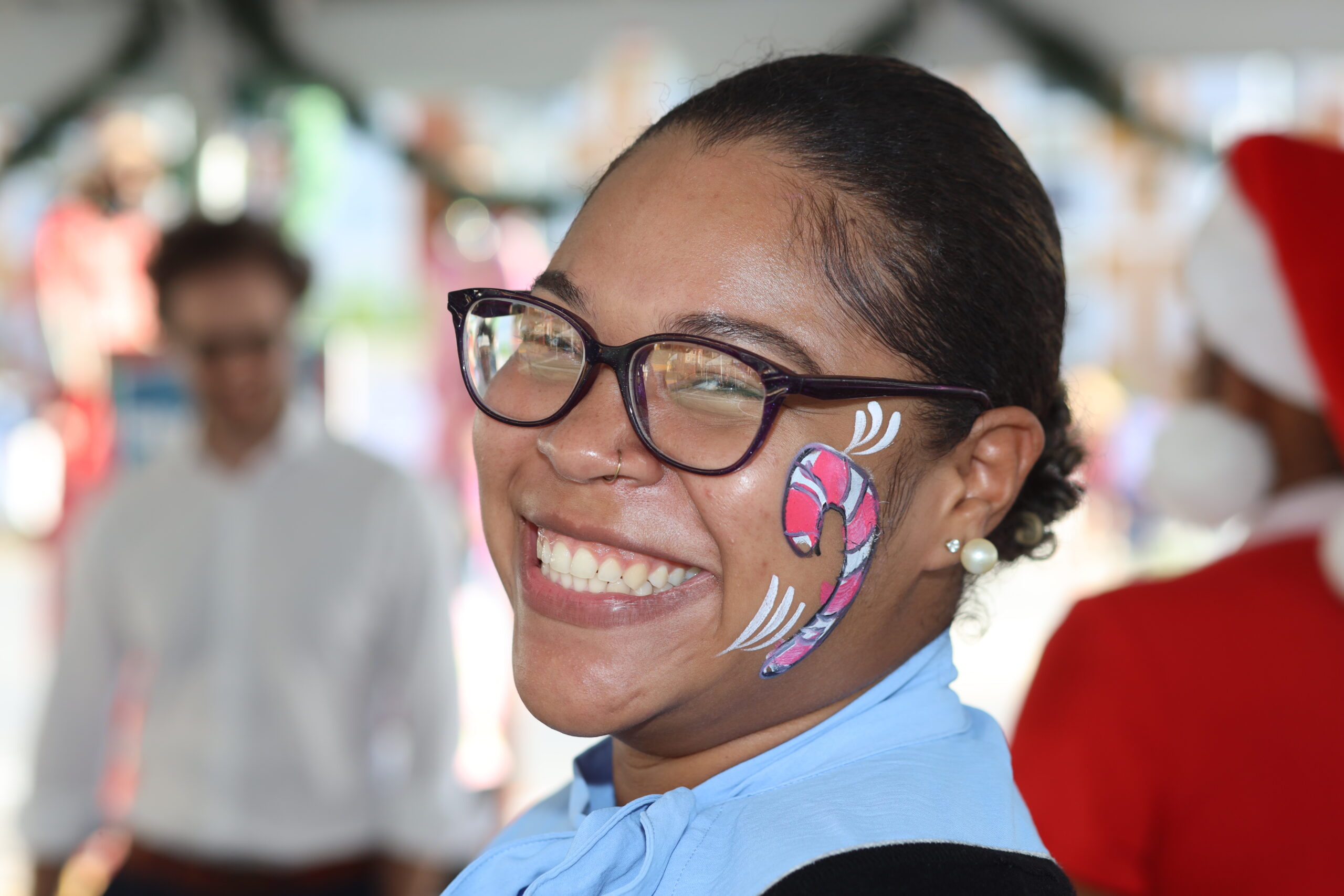
2025 holiday celebration for residents.
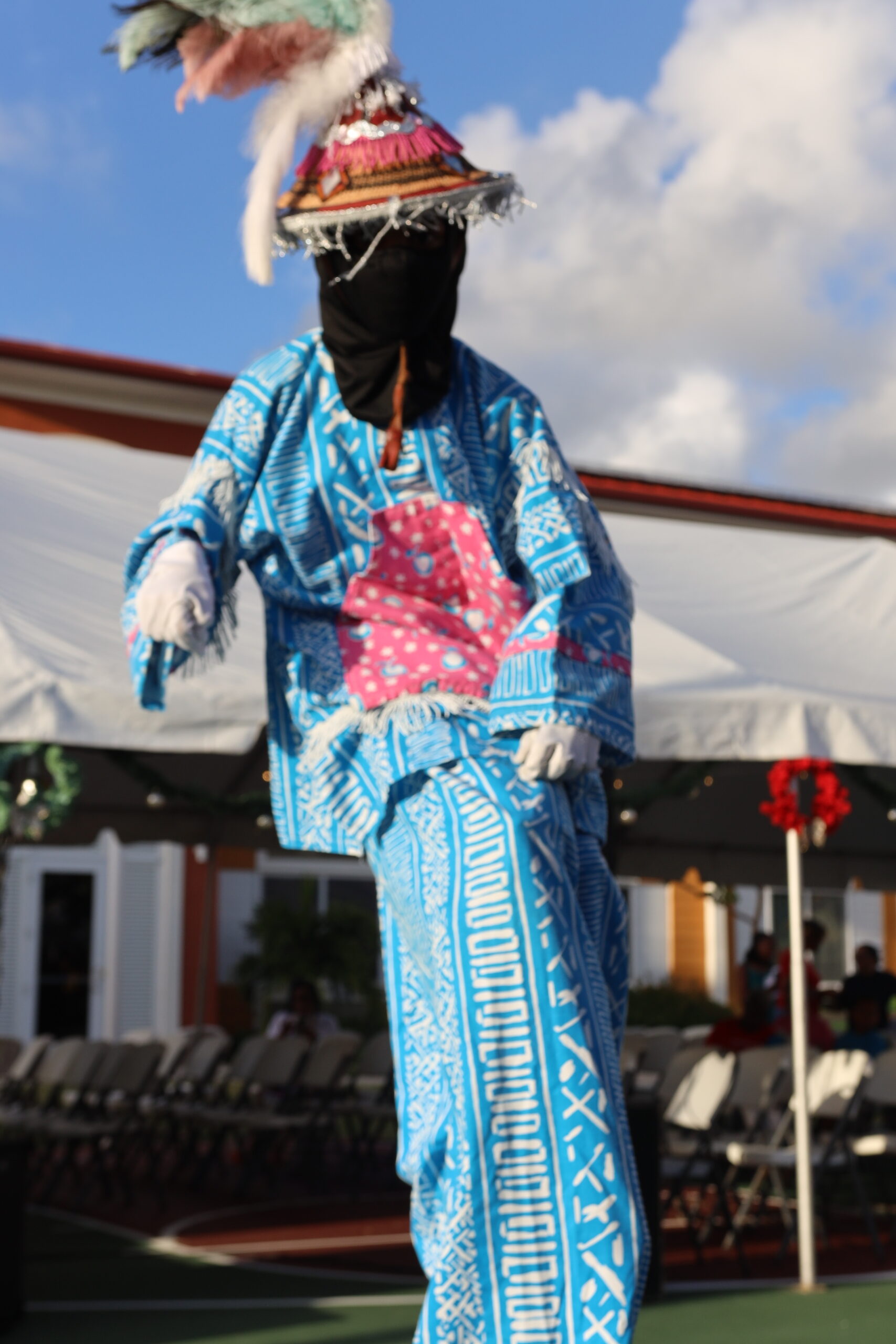
2025 holiday celebration for residents.
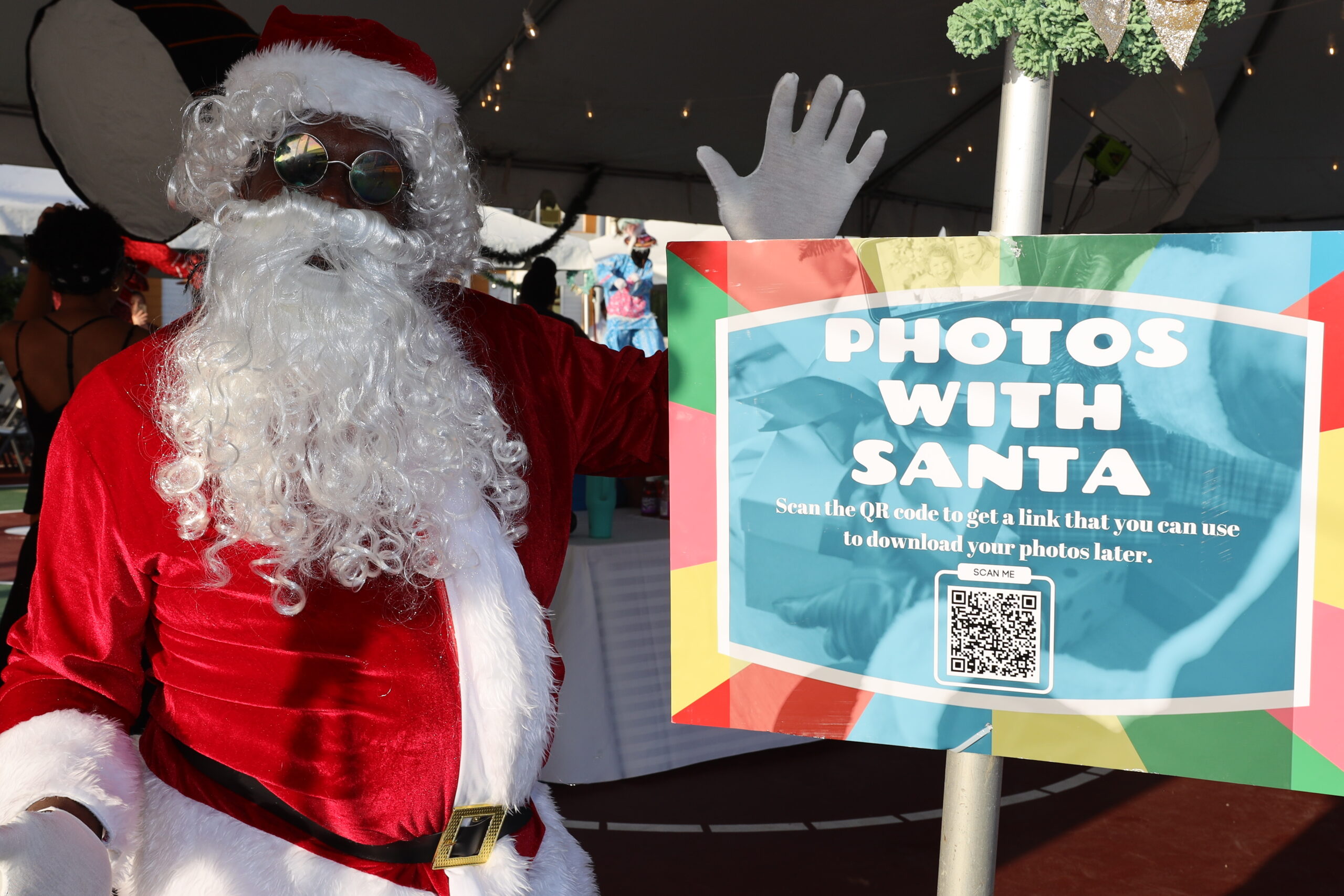
2025 holiday celebration for residents.
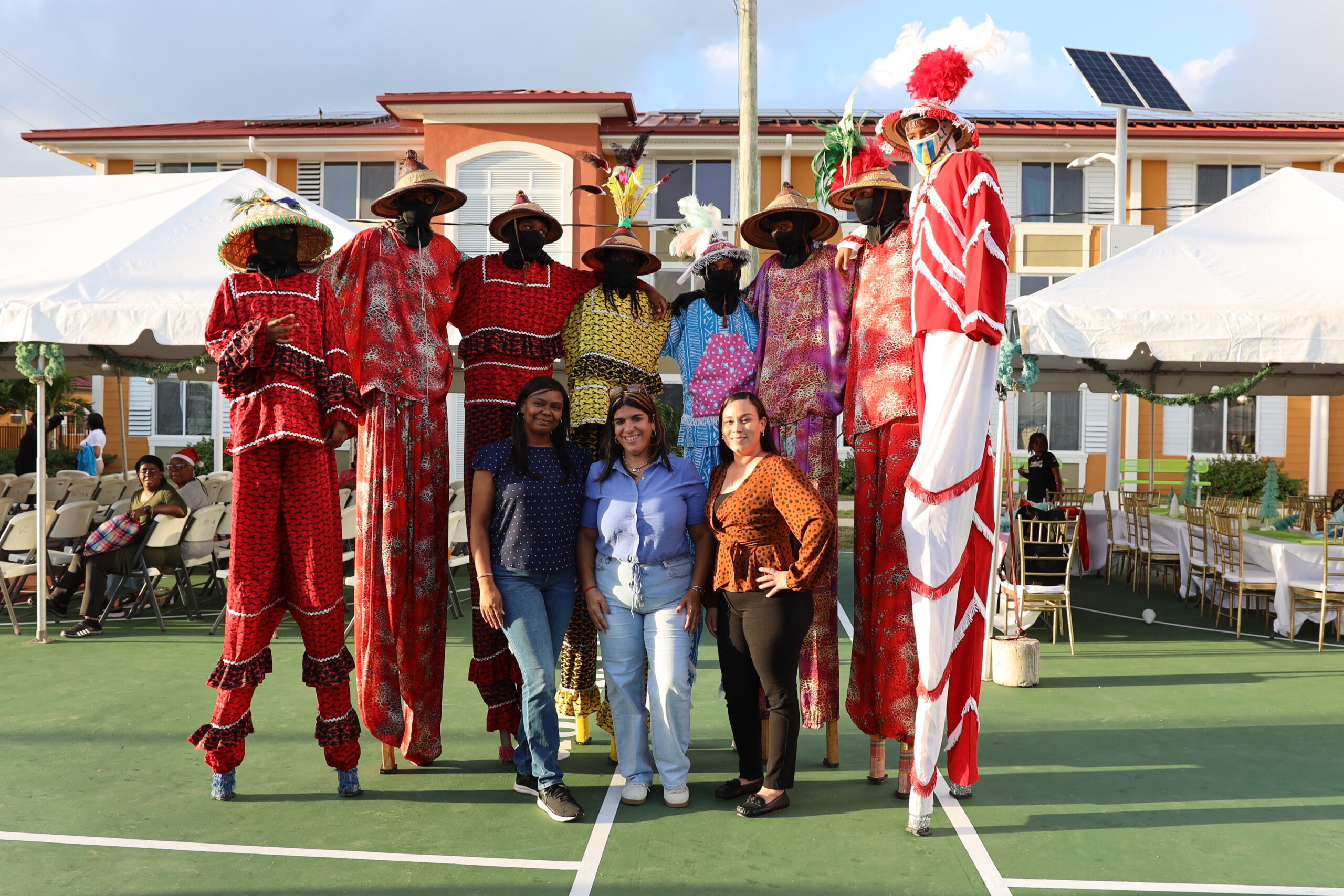
2025 holiday celebration for residents.
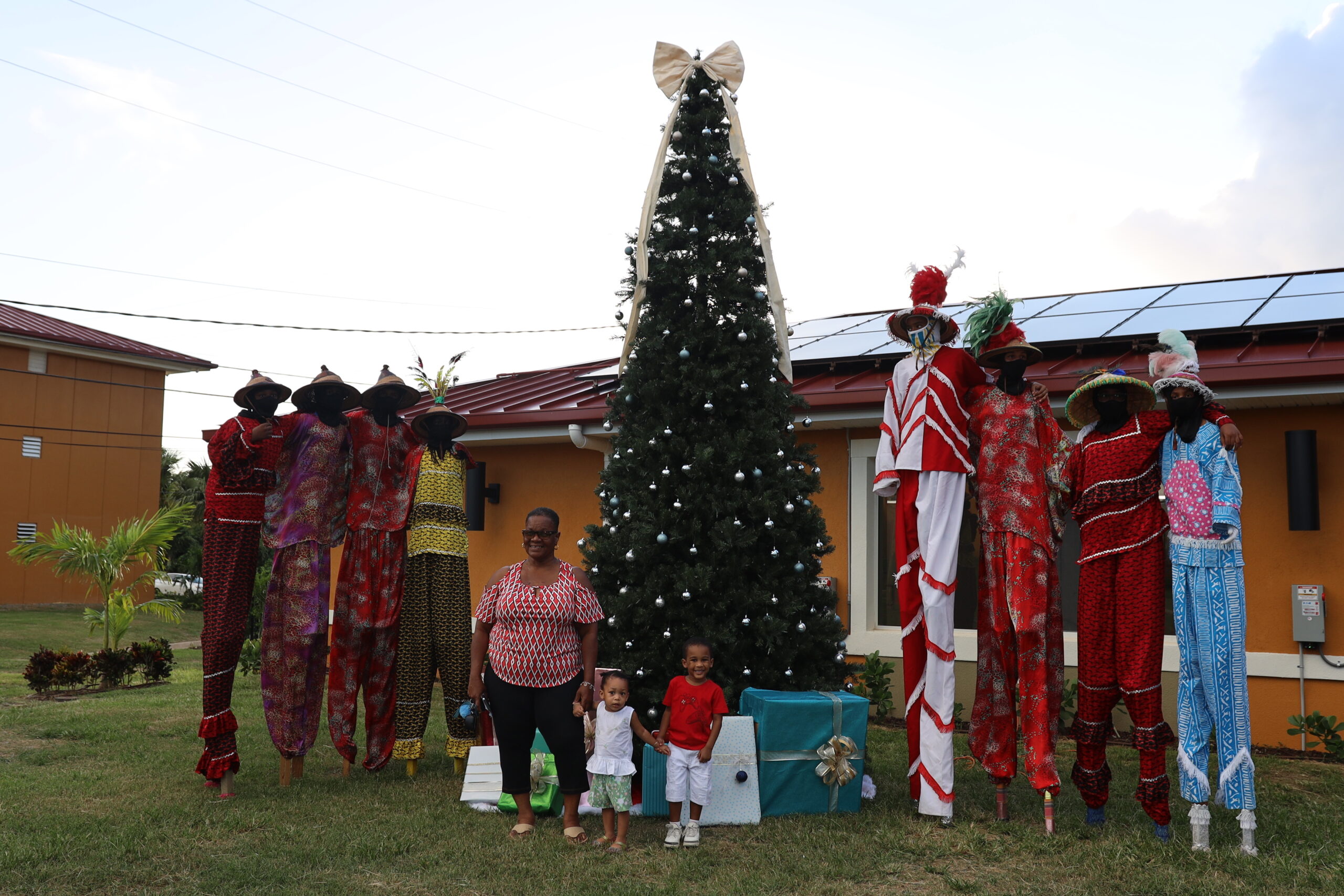
2025 holiday celebration for residents.
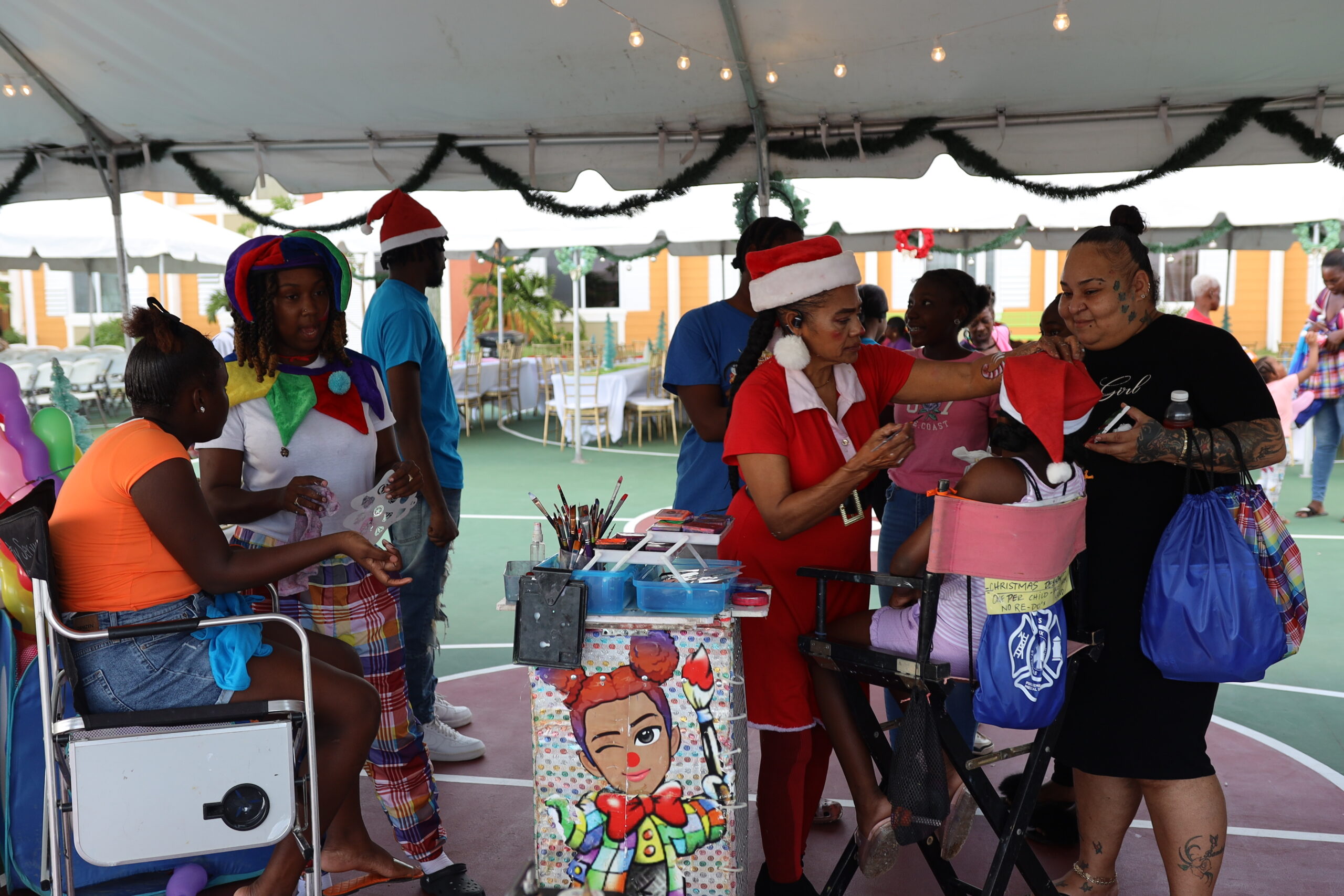
2025 holiday celebration for residents.
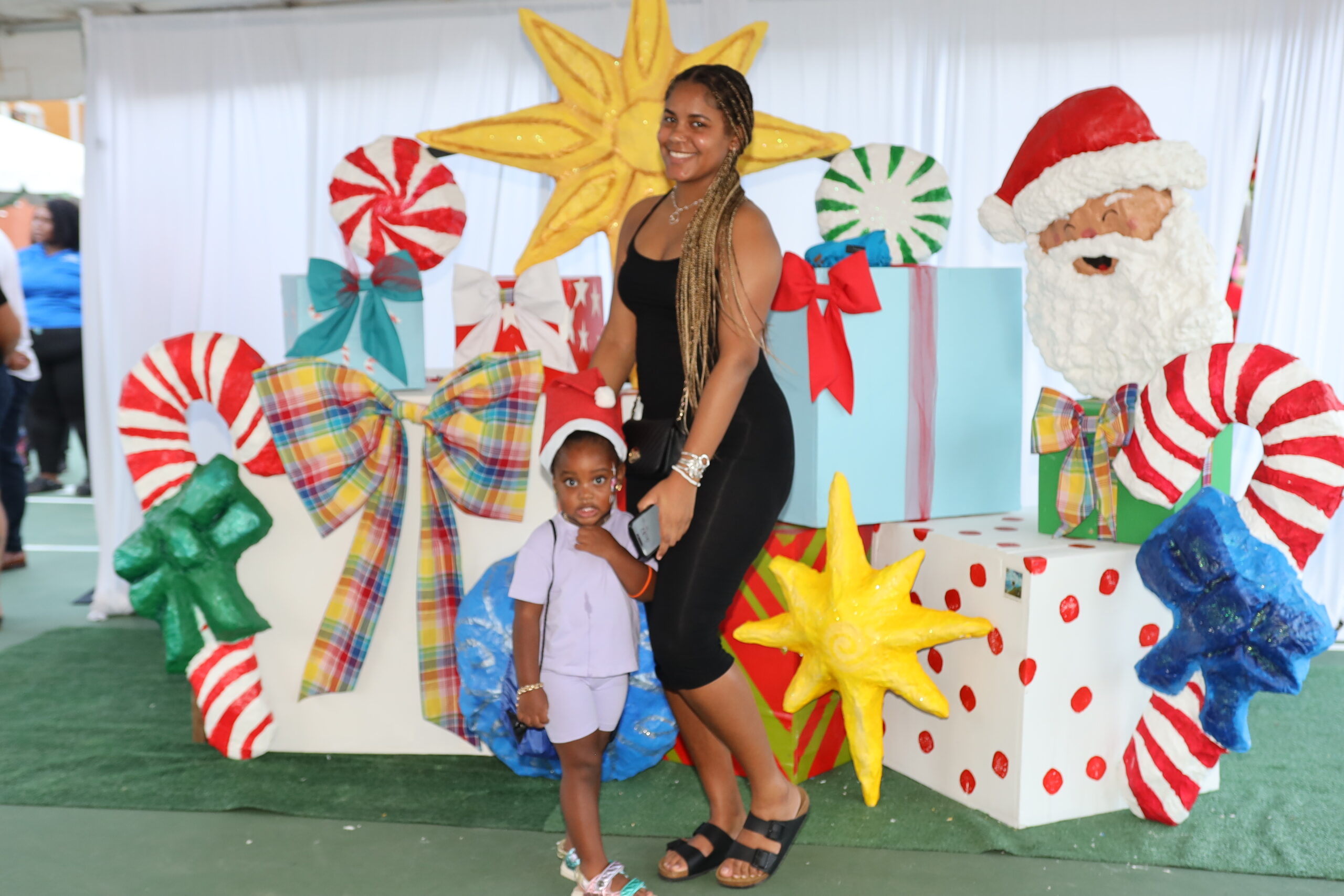
2025 holiday celebration for residents.



Site Improvements
The building received a full gut rehabilitation of the site replacing all building systems down to the structural elements. All apartments were upgraded with new windows, doors, flooring, cabinets, ceiling fans, LED lighting, and fresh paint. Additional improvements included undergrounding key portions of electrical infrastructure, updated signage and landscaping, redesigned pedestrian walkways, seating areas, and recreational spaces, a new playground, upgraded basketball courts, and a renovated community garden with planting boxes. Updates to the community center included a multipurpose room with kitchenette, a library and computer room, as well as dedicated spaces for the resident services coordinator and the resident association.
Following severe damage from Hurricanes Irma and Maria in 2017, hurricane-resilient design features were added throughout the property, including wind-resistant window-louver systems, doors, and storefronts, as well as enclosed stairwells. In addition, the environmental resiliency efforts included new roofs, solar photovoltaic (PV) panels, restored cistern systems, and emergency back-up generators. Additional sustainability enhancements included low-water usage kitchen and bathroom fixtures, a high efficiency electric water heater, EnergyStar-certified appliances, and new plumbing and electrical systems. The completed project achieved Bronze certification under the stringent ICC 700-2020 National Green Building Standard.
Project Highlights
Originally built in 1971, Walter I.M. Hodge Pavilion was the first completed project of the Virgin Islands Housing Authority (VIHA)’s long-term plan to rebuild, renovate, and strengthen its affordable housing portfolio throughout the U.S. Virgin Islands.
Reconstruction was undertaken through the U.S. Department of Housing and Urban Development (HUD)’s Rental Assistance Demonstration (RAD) program, the first time that this program was used in the U.S. Virgin Islands, as well as HUD’s Community Development Block Grant-Disaster Recovery (CDBG-DR) program, the first time that this program was used for a housing project. The rehabilitation also used two Federal Emergency Management Agency (FEMA) funding sources: the Hazard Mitigation Grant Program and the Public Assistance Program.
VIHA has implemented a robust resident wellness and empowerment program called Bright Path, and the development team has secured long-term funding to support additional educational opportunities, job placement, and the physical and social health of the residents.
J. Benton Construction, the general contractor on the project, drove job creation within the local community, and upon project completion, over $11 million in Minority and Women-Owned Business Enterprise contracting was completed, as well as over 250 Section 3 hires.
Project Partners
Virgin Islands Housing Authority (VIHA)
J. Benton Construction, LLC
Corwil Architects Inc.
Cost Control Company, Inc.
U.S. Department of Housing and Urban Development (HUD)
Federal Emergency Management Agency (FEMA)
Virgin Islands Territorial Emergency Management Agency (VITEMA)
Virgin Islands Office of Disaster Recovery (ODR)
Virgin Islands Housing Finance Authority (VIHFA)
Goldman Sachs Bank
Merchants Bank of Indiana
News & Awards

Novogradac Journal of Tax Credits, Developments of Distinction Award, Rural Community Impact

National Association of Housing and Redevelopment Officials (NAHRO), Community Innovation Awards Program, Award of Merit, Affordable Housing